How to Start an Art Journal (Beginner Guide + Simple First Steps)
Starting an art journal can feel both exciting and intimidating.
You might wonder:
- Do I need to know how to draw?
- What materials should I use?
- What do I even put on the first page?
The good news is that art journaling has no strict rules. It's not about making perfect art. It's about capturing thoughts, inspiration, and moments that matter to you.
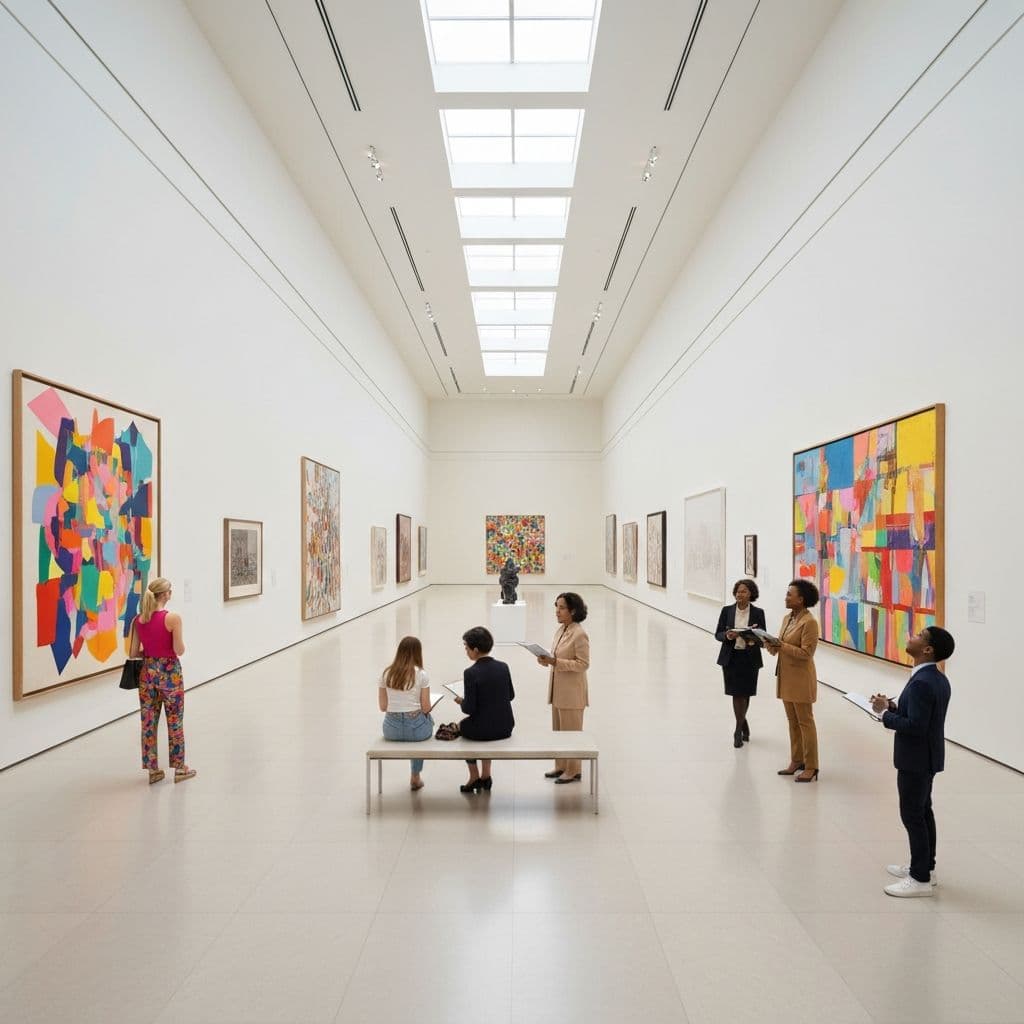
For me, rediscovering art journaling began with a small moment in a museum.
The Museum Moment That Made Me Start Again
A few months ago I visited the STRAAT Museum in Amsterdam with my five-year-old son. I wrote about this experience in detail in my first blog post: How Visiting STRAAT Museum With My Son Inspired Me to Create a Digital Art Journal.
While I walked around analyzing the artworks like an adult - reading descriptions and thinking about technique - he reacted very differently.
He simply experienced the art.
- He ran toward colors he liked.
- He stared at characters painted on huge murals.
- He laughed at strange details I hadn't even noticed.
At one point I recorded him looking at a massive street art piece. His reaction was pure curiosity. No analysis, no pressure to understand the meaning. Just a genuine emotional response.
Watching him reminded me of something I used to do when I was younger.
After concerts and exhibitions, I often kept flyers, tickets, or small printed materials. I glued them into notebooks and wrote my impressions around them. Sometimes I added doodles or small collages.
Without realizing it at the time, I was already doing art journaling.
That museum visit brought the idea back to me: What if we had a simple way to capture moments like these again?
What Is Art Journaling?
An art journal is a personal creative notebook where you combine:
- drawings
- collage
- paint
- writing
- photos
- tickets or found objects
- creative experiments
Unlike traditional sketchbooks, art journals mix visual art and personal reflection.
The goal isn't to create perfect pages. The goal is to capture experiences, ideas, emotions, and inspiration.
Many artists describe an art journal diary as a mix between:
- a diary
- a sketchbook
- and a creative playground
During my research, one of the most helpful resources I discovered was Art Journaling 101 by Daisy Yellow, which explains the philosophy and practical ideas behind the practice. It's an incredibly rich resource and helped me understand how many different ways people approach art journaling.
The biggest takeaway from that research was simple:
There is no single right way to do it.
Why Keeping an Art Journal Diary Is So Powerful
Keeping an art journal diary works because it removes the pressure that often blocks creativity.
You don't need to be an artist.
You just need curiosity.
People start art journals for many different reasons:
Creative expression
It gives you a place to experiment without worrying about the outcome.
Memory keeping
You can document museum visits, concerts, travel experiences, or everyday moments.
Reflection
Combining images and words often helps people process emotions and thoughts.
Inspiration
Looking back through past pages often sparks new creative ideas.
For many people, art journaling becomes a daily or weekly creative ritual.
How to Start an Art Journal (Step-by-Step)
If you want to start an art journal, the process can be very simple.
Here are the easiest steps to begin.
1. Choose Your Journal
Start with any notebook that feels inspiring.
Common options include:
- sketchbooks
- mixed media journals
- recycled notebooks
- handmade journals
- junk journals made from collected materials
There is no perfect format.
Some people prefer thick pages for paint, while others like simple notebooks for collage and writing.
The best journal is simply the one you feel excited to open.
2. Gather Simple Materials
You don't need expensive art supplies.
Many beautiful art journals use simple materials like:
- pens and markers
- colored pencils
- glue sticks
- magazine cutouts
- photos
- washi tape
- concert tickets or flyers
- packaging or scraps
Art journaling often celebrates found materials and everyday objects.
This makes the process feel playful instead of technical.
3. Start With One Moment
One of the easiest ways to create your first page is to document a specific moment.
For example:
- a museum visit
- a concert
- a walk through the city
- a conversation that stayed with you
- a piece of art that moved you
Add anything connected to that experience:
- photos
- tickets
- sketches
- short notes about how it made you feel
Think of it less as "making art" and more as capturing a moment visually.
4. Combine Images and Words
Art journals often feel more personal when they combine visual elements and writing.
You might add:
- short reflections
- song lyrics
- quotes
- small observations
Some pages are mostly visual.
Others are mostly writing.
Both approaches are completely valid.
5. Let Go of Perfection
This is the hardest step for many beginners.
Your art journal does not need to look beautiful.
Some pages will feel messy. Some pages will feel unfinished.
That's normal.
Art journaling is meant to be a space where creativity is allowed to be imperfect.
Often the most interesting pages come from experimentation.
Easy Art Journal Page Ideas
If you're unsure what to put on your pages, here are a few beginner ideas:
- Museum page - Document an artwork that inspired you.
- Music page - Add a concert ticket or write about a song you love.
- Color exploration - Create a page using only one color palette.
- Creative collage - Combine magazine images that represent your mood.
- Daily moment - Write or sketch something that happened that day.
Small pages often become the most meaningful ones.
A New Way to Capture Creative Moments
The experience with my son in the museum made me realize something important.
Art is not only about the artwork itself.
It's also about how we experience it.
An art journal diary creates a place to capture those experiences:
- the moment a painting surprised you
- the feeling of hearing a song live
- the way your child reacts to a mural
Those moments are often fleeting.
But when you document them, they become part of your creative story.
That idea is actually what inspired the project I'm currently building.
A way for people to capture art moments the same way they once kept flyers or tickets in notebooks, but adapted for the digital world.
Start Your First Art Journal Today
If you're curious about art journaling, the best way to begin is simple:
- Open a notebook.
- Glue something on the page.
- Write a few thoughts next to it.
That's it.
Your first page doesn't need to be impressive.
It just needs to exist.
Because once you start capturing creative moments, you'll begin to notice them everywhere.