March 24, 2026 · 6 min read
What Goodreads Can Teach Us About Art Journaling
How a book-tracking platform inspired a new way to remember art.
The First Time I Tracked What I Read
Before Goodreads, reading was invisible.
You read a book, you felt something, maybe you talked about it once. And then it slowly disappeared into memory.
Then platforms like Goodreads came along and did something surprisingly simple: they made reading visible.
- •You could track what you read
- •Rate it
- •Write a few thoughts
- •Revisit it later
And suddenly, reading became more than a moment. It became a personal history.
The Shift: From Consuming to Remembering
What Goodreads really changed was not just tracking. It changed how we relate to books.
You do not just read anymore. You:
- •Notice what you feel
- •Compare experiences over time
- •Build a sense of taste and identity
It creates a quiet awareness: “This is how I experience books.” And that realization stays with you.
Then I Noticed Something Missing
At some point, I started asking: Why does this not exist for art?
Because we experience art everywhere:
- •Museums and galleries
- •Exhibitions and concerts
- •Street art on a random walk
- •Even our children's drawings
And those moments are often just as powerful, sometimes even more immediate than books.
But they disappear faster. No place to save them. No place to reflect on them. No place to return.
The Problem with Art (and Memory)
Art is fleeting in a different way.
You do not spend hours with it like a book. Sometimes it is just a few seconds. A glance. A feeling. A reaction you do not fully understand.
And because it is harder to verbalize, we tend to let it go. Which means we lose something important: our personal relationship with art.
The Idea Behind Art Journal
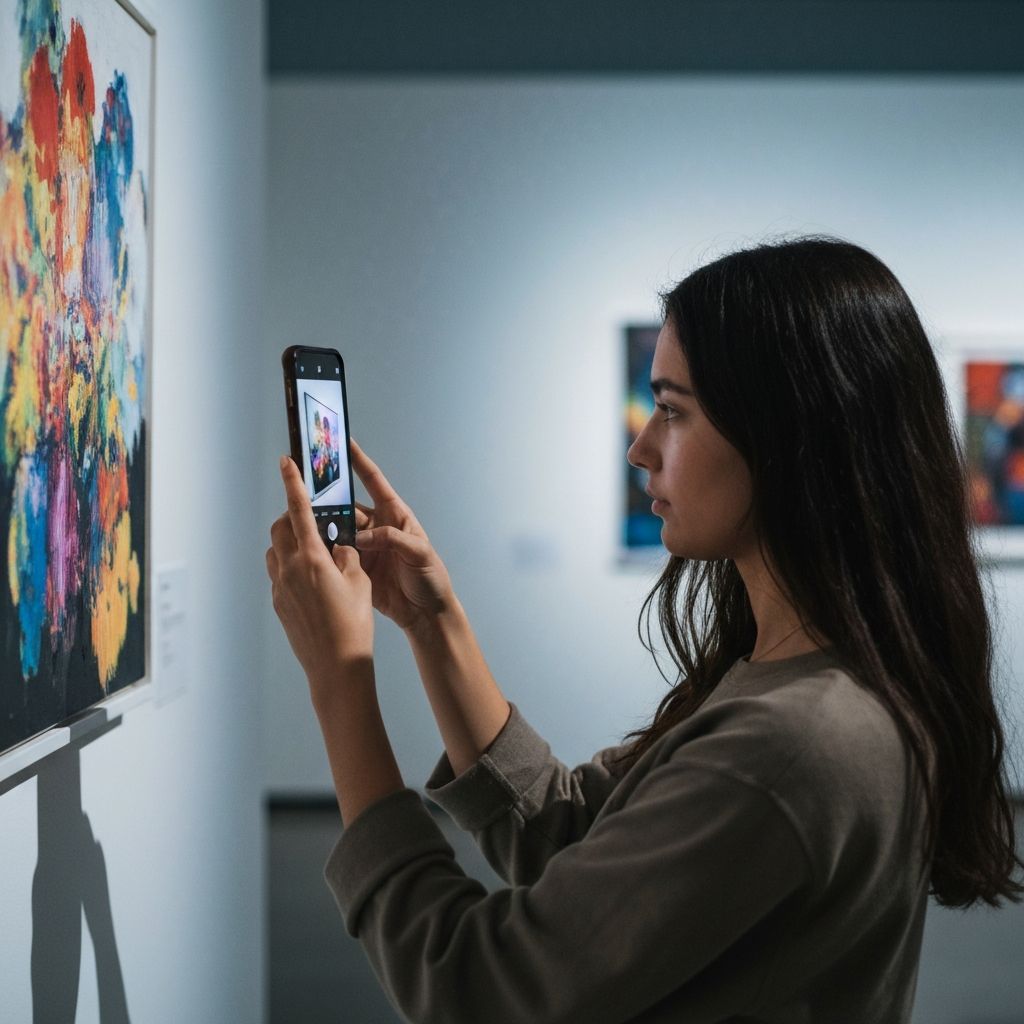
Art Journal started as a simple thought: What if we treated art the way Goodreads treats books?
Not academically. Not critically. Just personally.
A place where you can:
- •Save the moment you experienced
- •Write a short reflection (even one sentence)
- •Add a visual response: doodles, marks, highlights
- •Build your own collection over time
Not to rate art. Not to judge it. But to remember: “This is how it felt for me.”
Why Art Needed a Different Approach
But here is where Art Journal intentionally diverges from Goodreads:
Books are structured. Art is not.
You do not always have a clear title, a known artist, or a complete understanding. Sometimes all you have is a feeling you cannot explain.
So instead of forcing structure, Art Journal leans into flexibility:
- •No pressure to define
- •No need to be correct
- •No expectation to write something “smart”
Just capture the moment and move on.
From Tracking to Connecting
If Goodreads helps you track what you read, Art Journal helps you connect with what you feel.
It is less about: “Did I like this?”
And more about: “What happened inside me when I experienced this?”
That is a very different kind of data. More human. Less measurable. But often more meaningful.
Building a Personal Map of Taste
Over time, something interesting happens: you start noticing patterns.
- •The colors you are drawn to
- •The themes that repeat
- •The emotions that come up again and again
Without trying, you begin to understand your own taste. Not based on trends or opinions. But based on your own lived experience.
Why This Matters Now
We live in a world where we consume more art than ever: infinite scrolling, endless images, constant exposure.
But very little of it stays.
Art Journal is a small attempt to slow that down. To take a moment that would normally pass and keep it. Just a bit longer.
Start Your Own Art Collection
If you have ever used Goodreads, you already understand the idea. Now imagine that same habit, but softer, more intuitive, more visual.
Next time something catches your attention: take a photo, write one sentence, add a small visual mark. That is it. You have already started.
Continue Reading
What Is Art? Why It Can't Be Defined (And Why That Matters)
A reflection on meaning, emotion, and the practice of art journaling.
Art Journaling for Beginners: Capture the Moment and Move On
A simple 5-step process to start your art journal today.
Why Art Needs Its Own Letterboxd
We track films and books. But what about the art that quietly changes us?
A Digital Art Journal Experience at STRAAT Museum
How street art and family moments come together in one journal.