Your cultural life, beautifully remembered.
“It's like Letterboxd, but for art.” — our community
Artist
Vincent van Gogh
14 moments on Art Journal
About
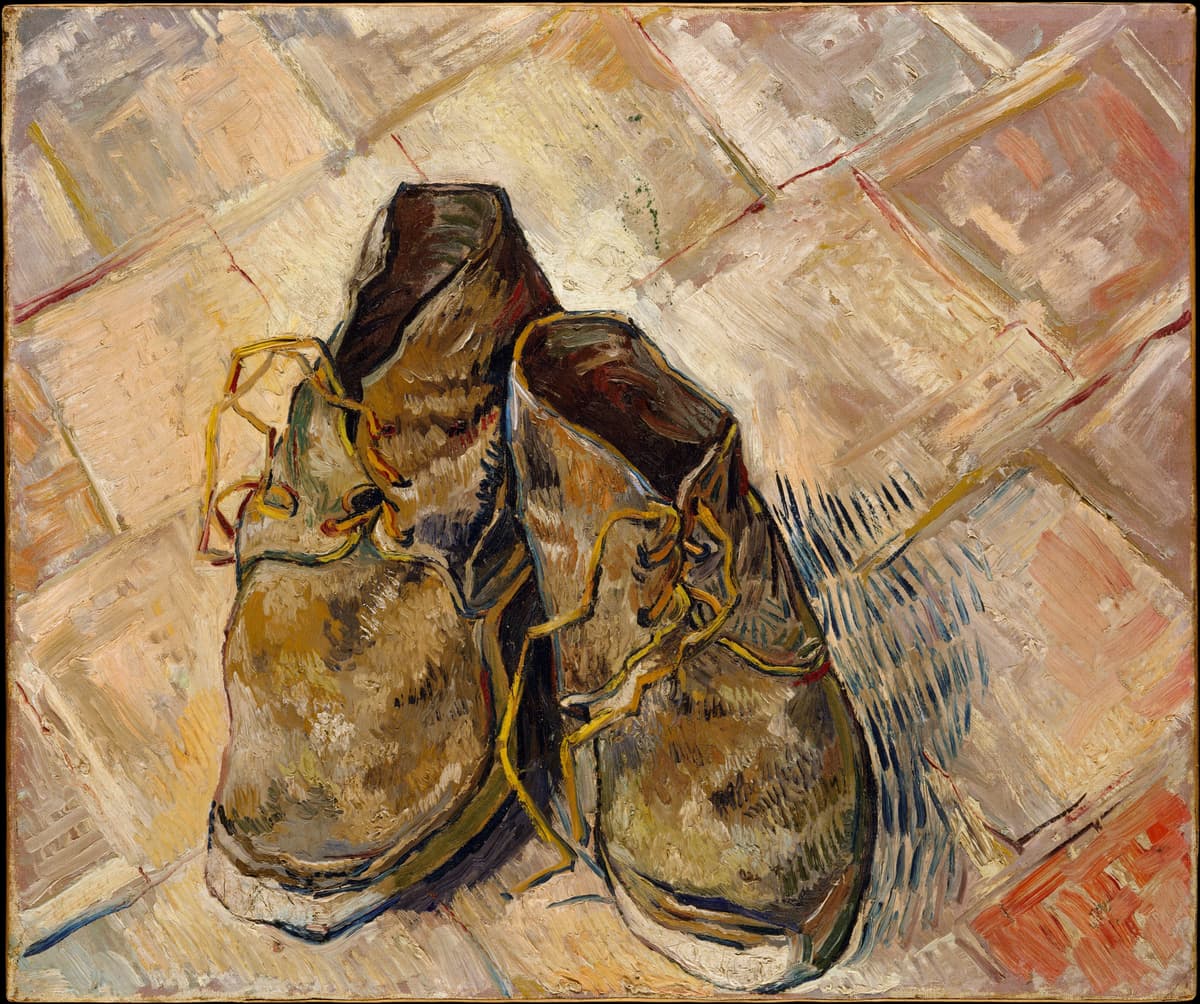
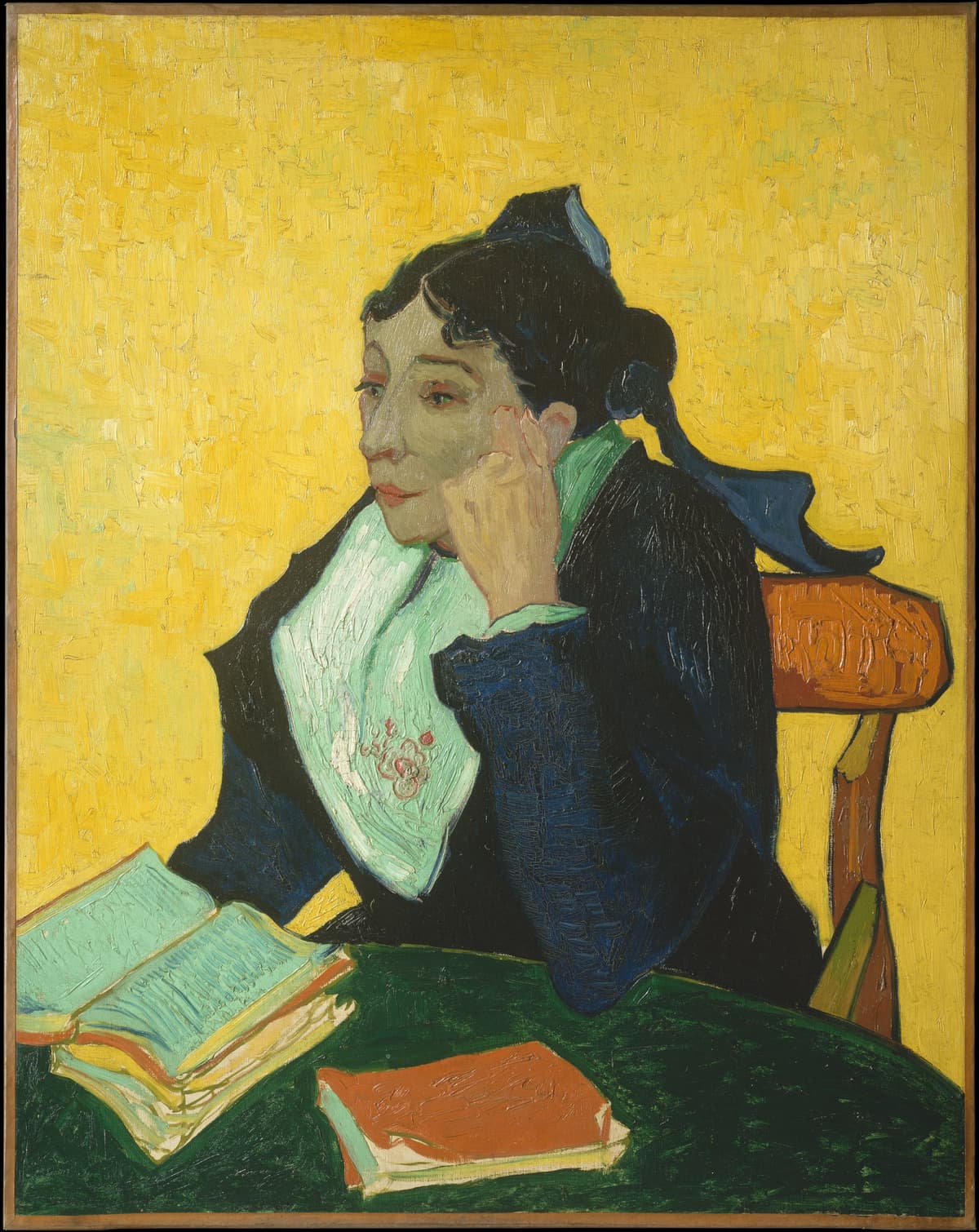
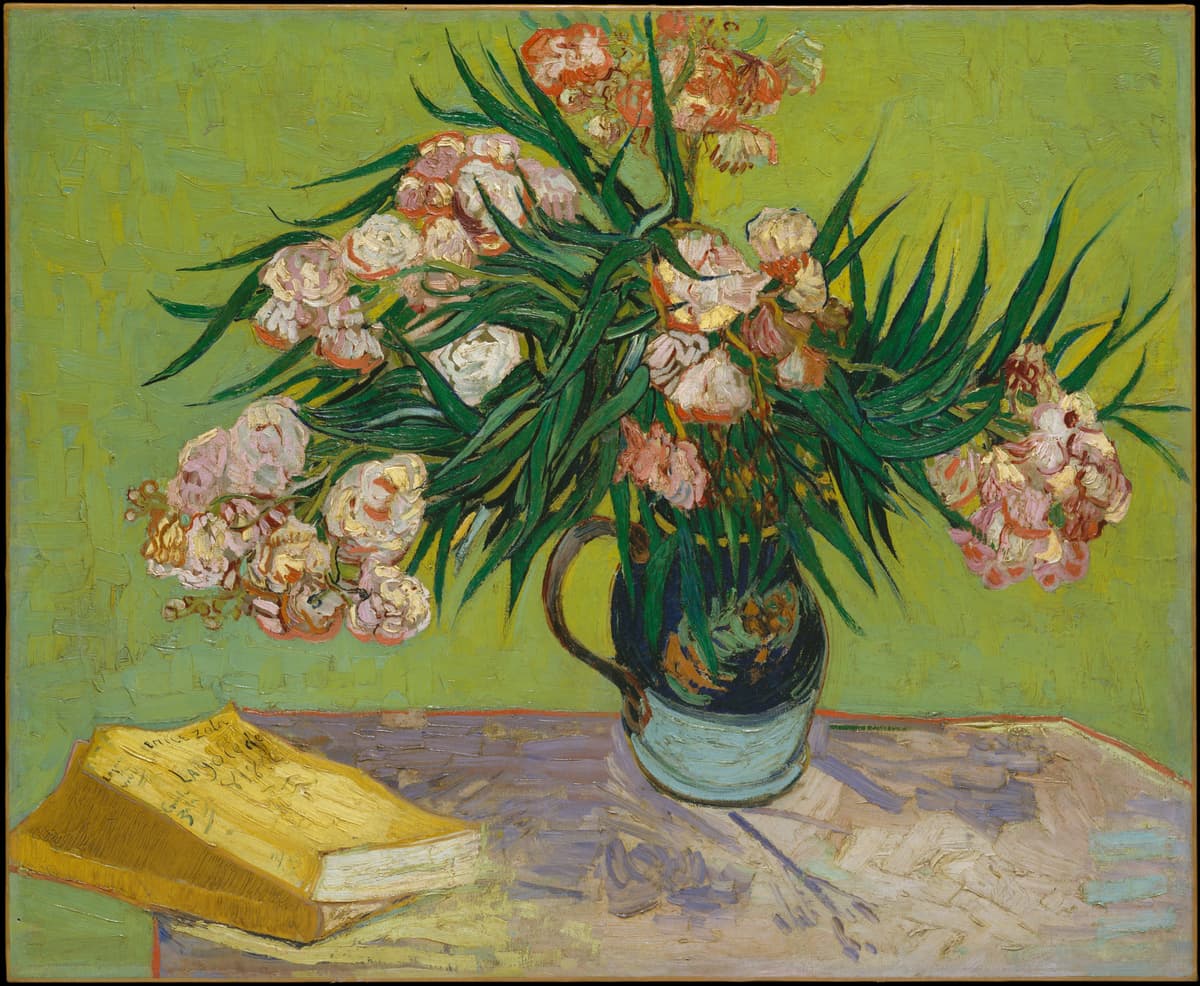
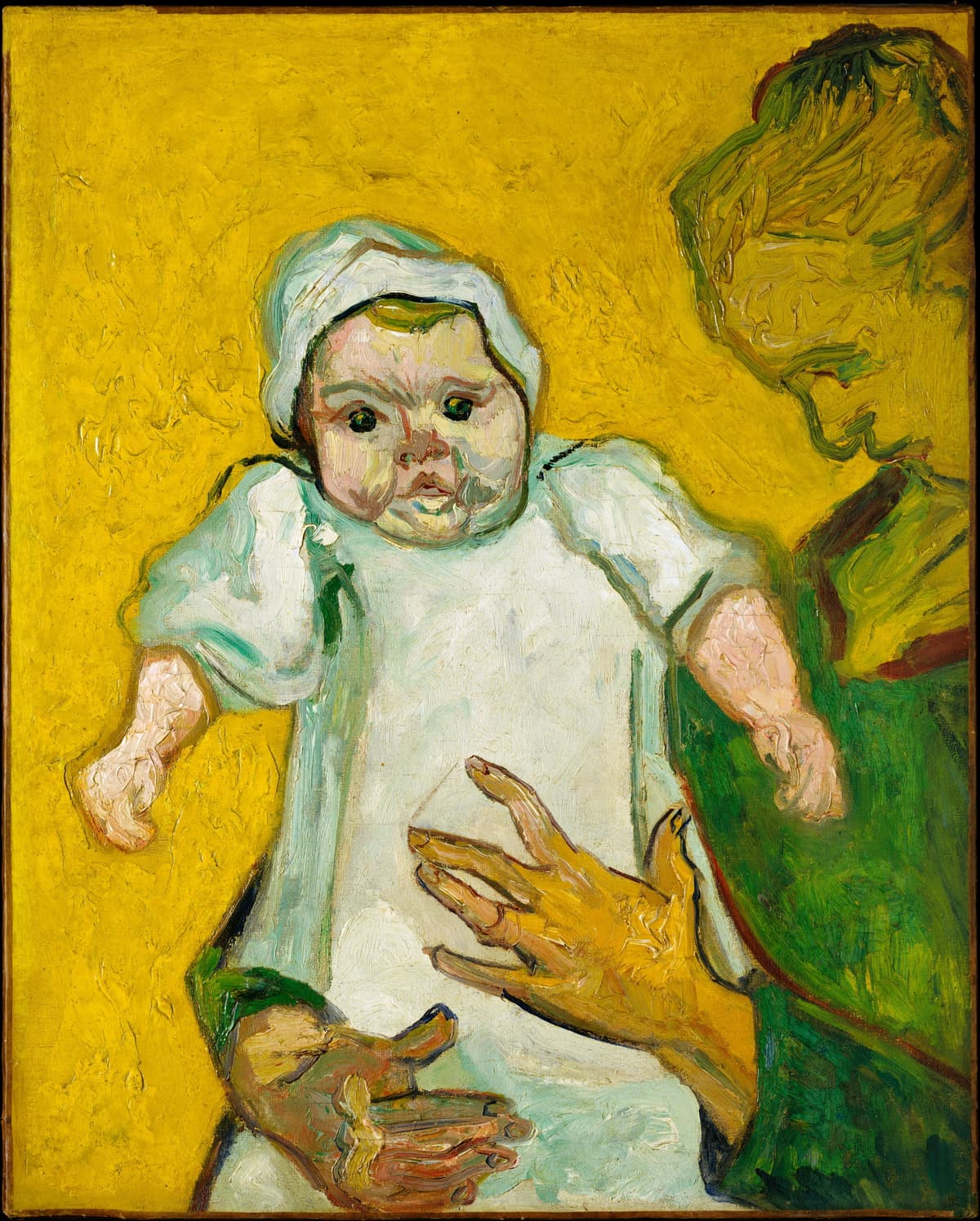
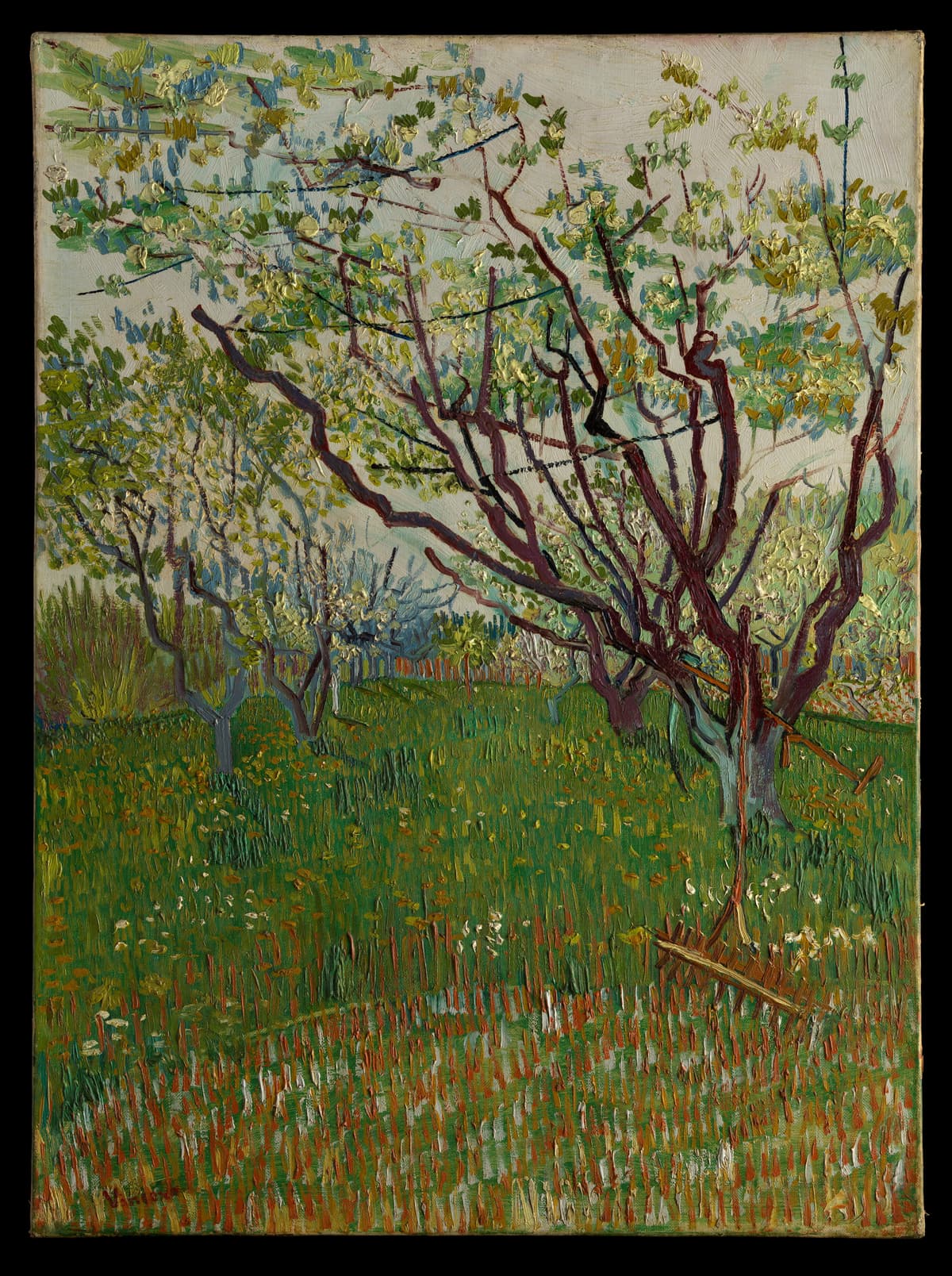
Van Gogh sold exactly one painting while he was alive: The Red Vineyard, bought by a Belgian painter named Anna Boch for 400 francs, a few months before his death. Everything else, the roughly 2,100 works he made in the space of a single feverish decade, went unsold, unwanted, or straight into his brother Theo's storage. He didn't pick up a paintbrush seriously until he was 27, after failed stints as an art dealer, a teacher, and a lay preacher to Belgian coal miners. By the time he died at 37, he'd more or less invented the visual language that half of 20th-century painting would spend decades reacting to.
The letters matter as much as the paintings. Over 800 survive, mostly written to Theo, and they read less like an artist's notes than a running diary of someone trying to hold himself together through work. The Starry Night was painted from the barred window of the asylum at Saint-Rémy-de-Provence, but the swirling sky isn't what he could actually see. It's largely invented, painted from memory and feeling rather than observation, which is part of why it still looks like nothing else from the period.
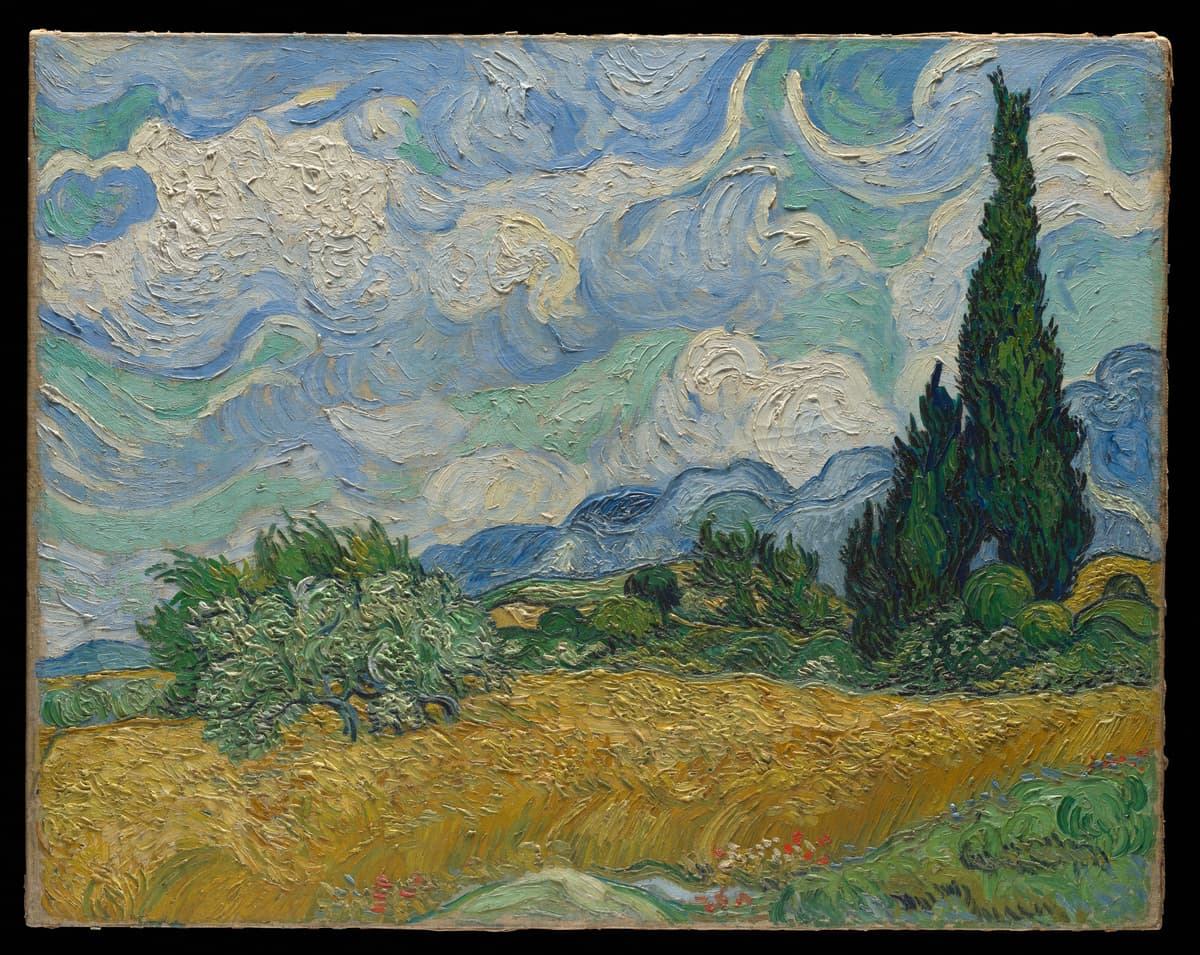
The ear, the asylum stay, the gunshot wound in a wheat field outside Auvers-sur-Oise: the mythology around his death sometimes crowds out how deliberate and technically ambitious the work itself was. He was not painting madness. He was painting fast, urgently, with a color sense he'd spent a decade teaching himself, in the little time he correctly suspected he had left.
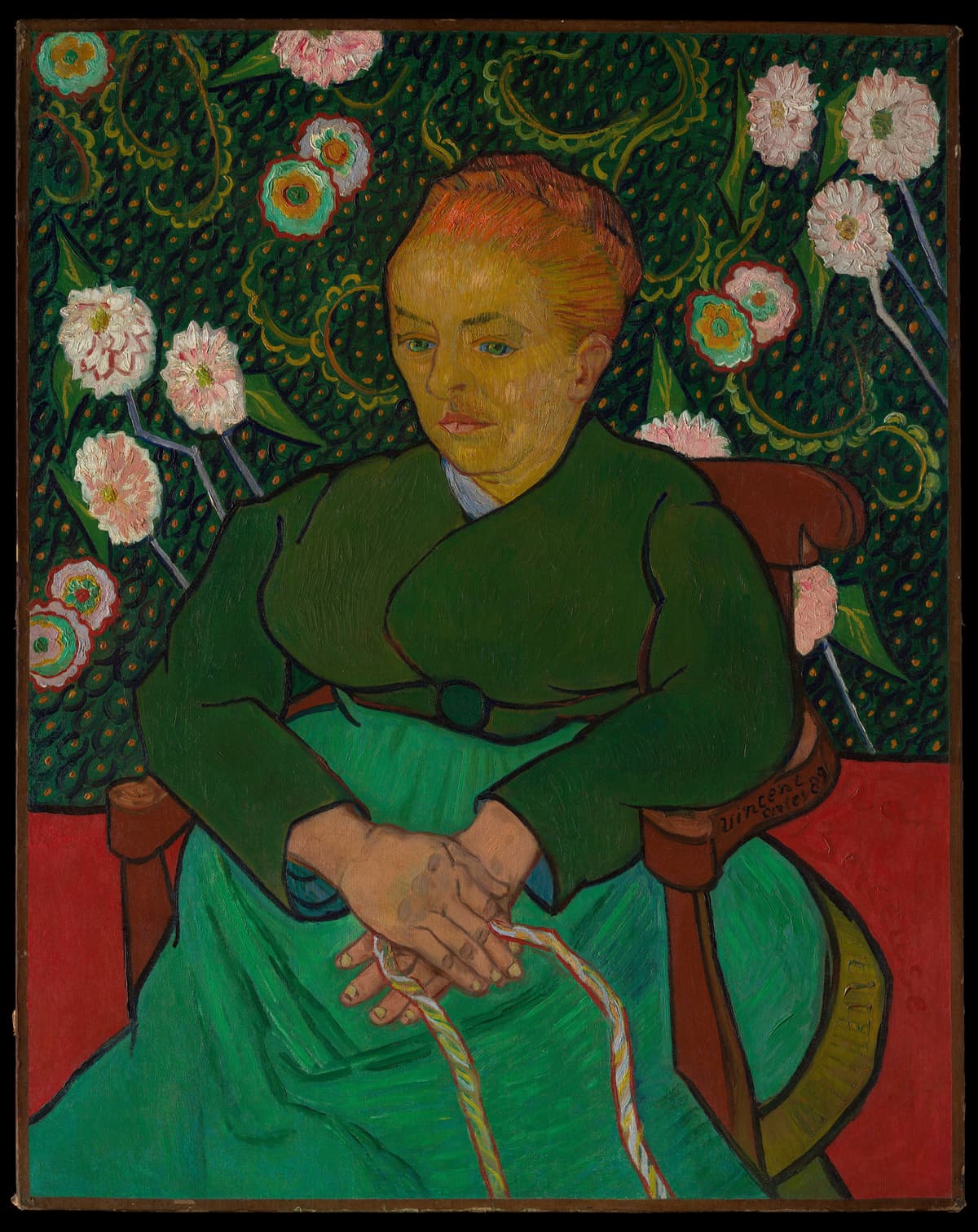
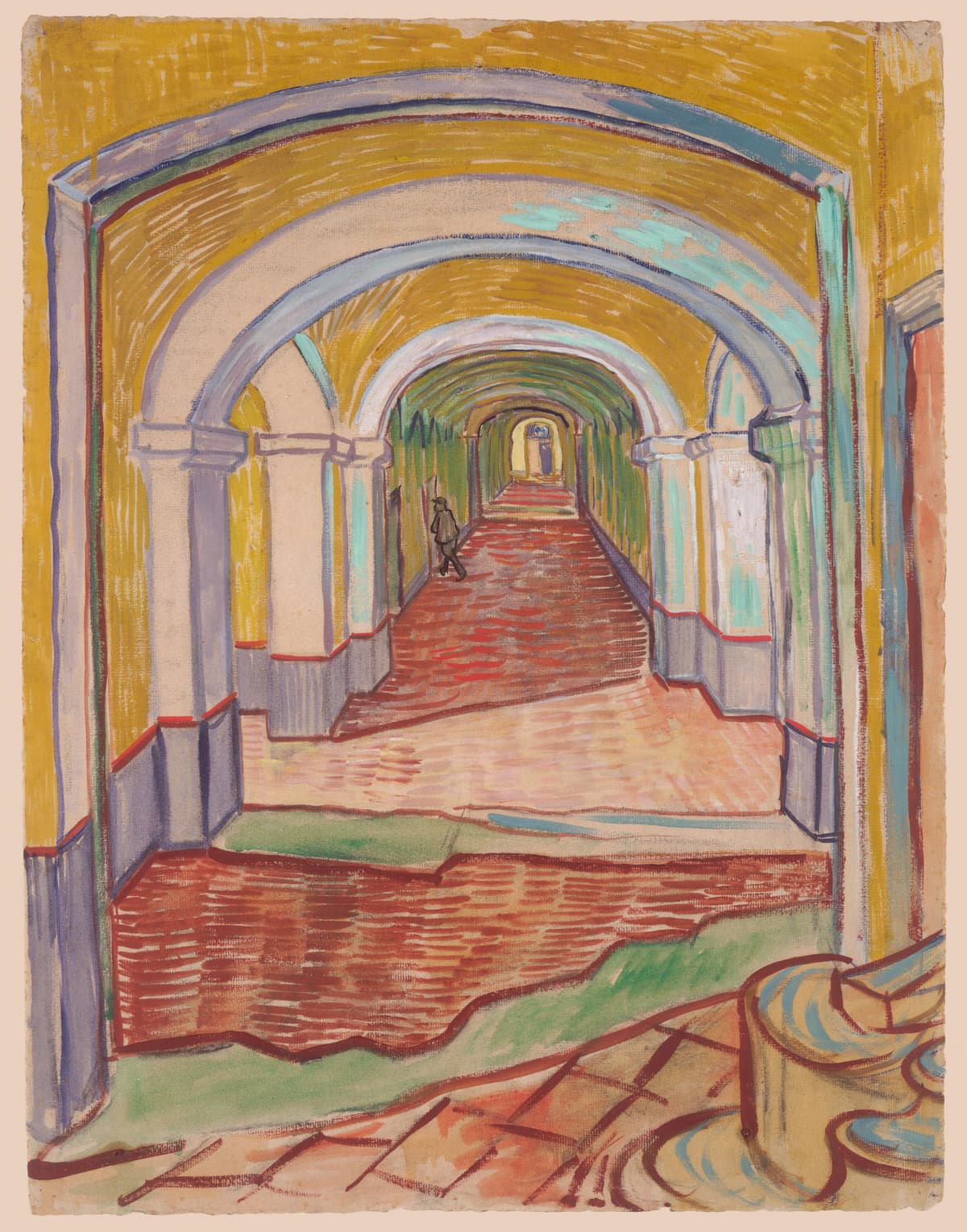
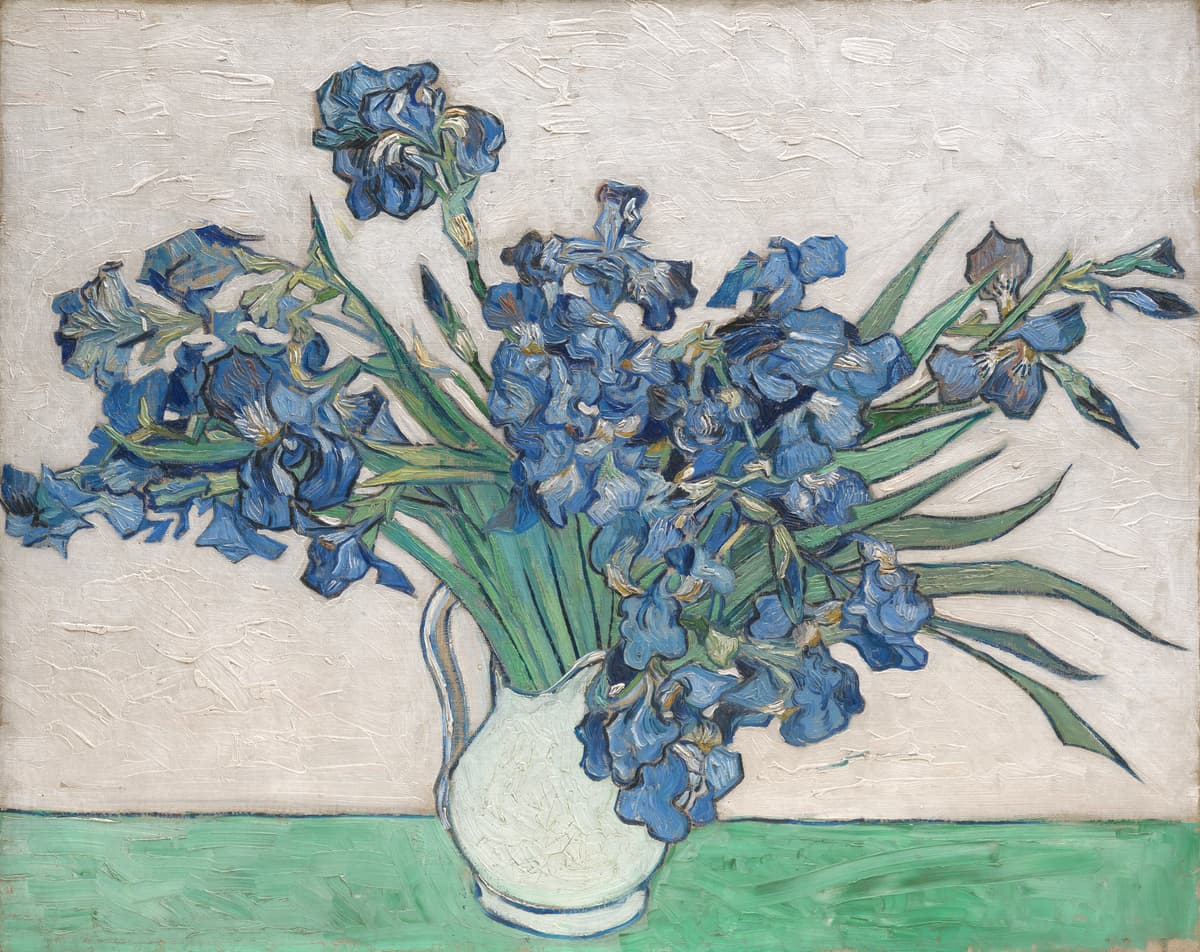
Artworks by this artist
Vincent van Gogh
Loading moments...