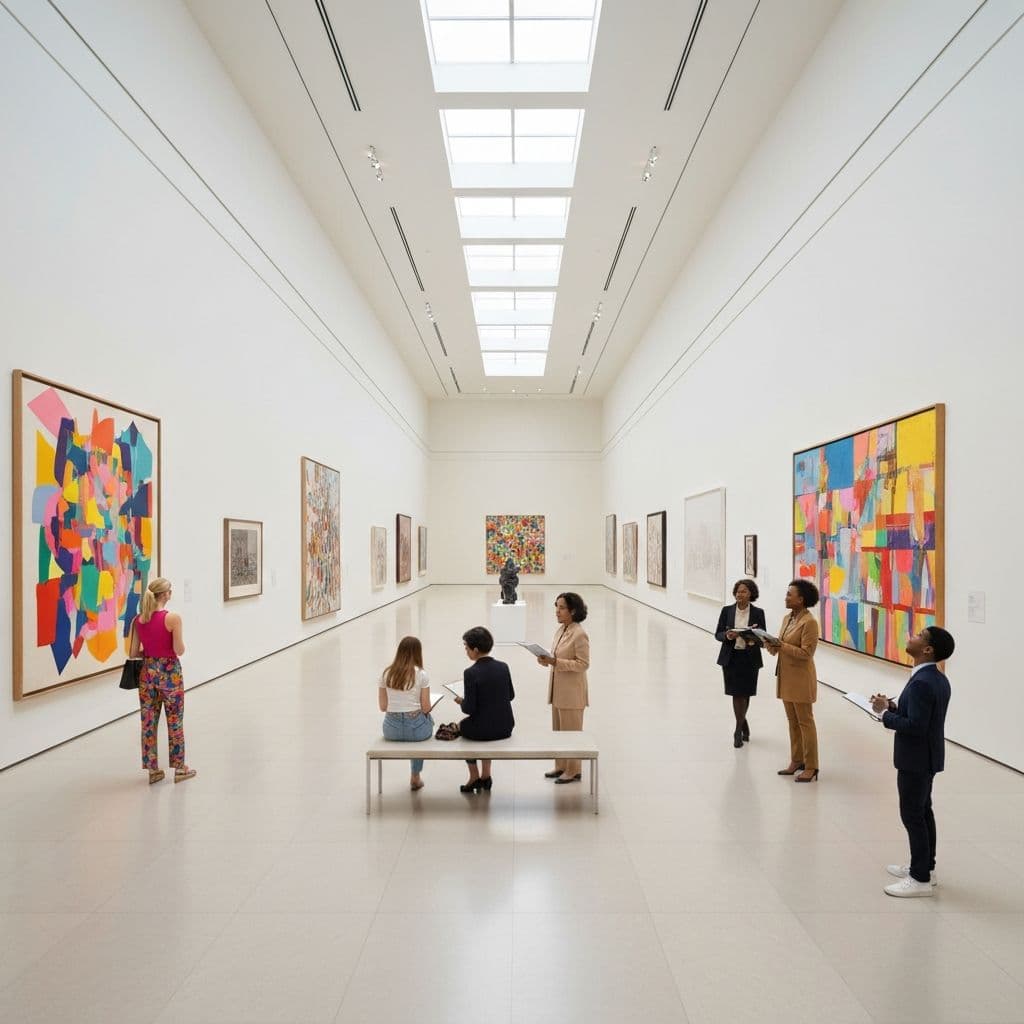
27 Seconds and a Rothko: What Actually Happens When We Stand in Front of Art
What Science, Philosophy, and Everyday Museum Visitors Reveal About How We Really Reflect on Art
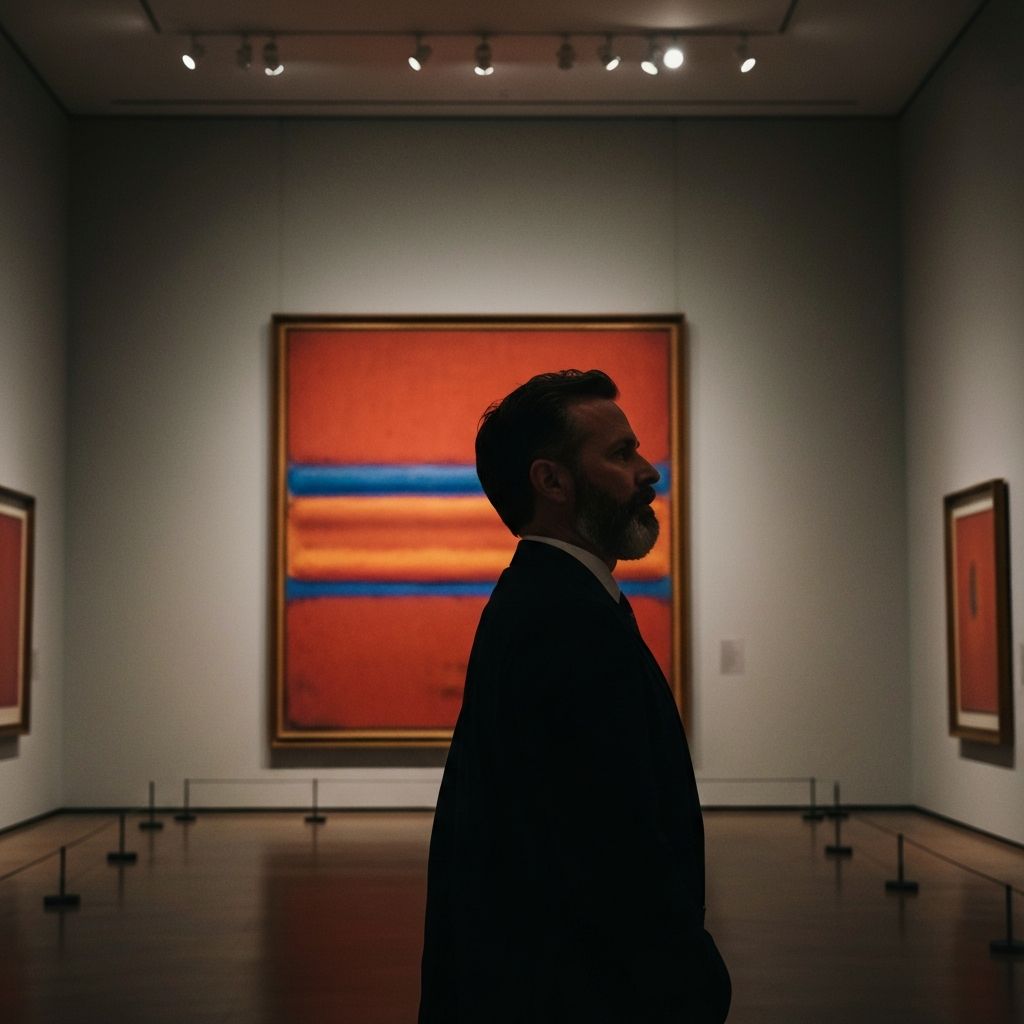
Summary
Research shows the average museum visitor spends just 27 seconds looking at a single artwork. But what happens when we stay longer? This article synthesizes academic frameworks, neuroscience, phenomenology, and real accounts from everyday gallery visitors to identify five distinct methods for reflecting on art, whether you are an art student, a seasoned gallery-goer, or someone who has never set foot in a museum.
The average visitor to an art museum spends somewhere between 27 and 33 seconds looking at a single artwork. That number comes from multiple eye-tracking and observational studies conducted across major institutions worldwide, and it has remained stubbornly consistent for decades.
Twenty-seven seconds. Less time than it takes to read this paragraph.
And yet, people also report some of the most profound, even transformative experiences of their lives standing in front of paintings and sculptures. Visitors cry at the Rothko Chapel in Houston often enough that counselors are reportedly available on site. Reddit threads are filled with accounts of people who walked into a gallery skeptical and walked out changed. A 2024 systematic review in Frontiers in Psychology confirmed that aesthetic experiences can produce lasting shifts in self-conception, worldview, and even personality.
So what is actually happening when people reflect on art? And is there a way to do it better, or at least more deliberately?
This article draws on academic research spanning developmental psychology, phenomenology, neuroscience, and museum education, alongside analysis of how everyday people describe their encounters with art across online communities, museum blogs, and personal essays. The goal is not to prescribe a single correct approach but to map the territory and offer five distinct, research-grounded methods for anyone who wants to go deeper.
From Our Community
What do people actually feel in front of a Rothko?
Real reflections from people who stood where you might stand - and tried to put words to the wordless.
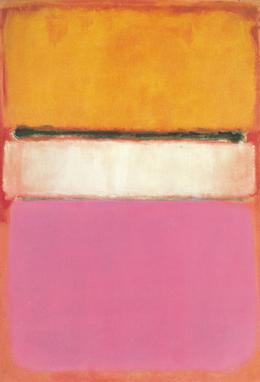
White Center (Yellow, Pink and Lavender on Rose) (1950)
“Like a held breath that never turns into a sigh. Suspended calm. ”
— Elena Virelli
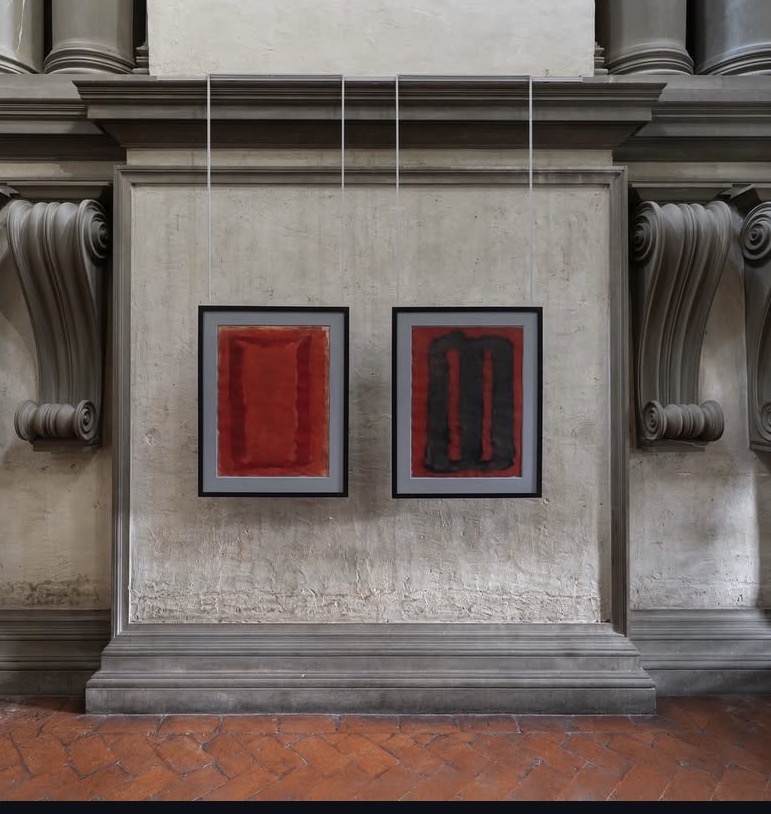
Rothko in Florence
“Because of their scale and the way the colors seem to float or glow, the dominant feeling is religious and I feel something like a meditative sensation as well. When displayed in the spaces designed by Michelangelo, the effect is amplified, creating a sense of sacredness or sanctuary.”
— Elena Virelli
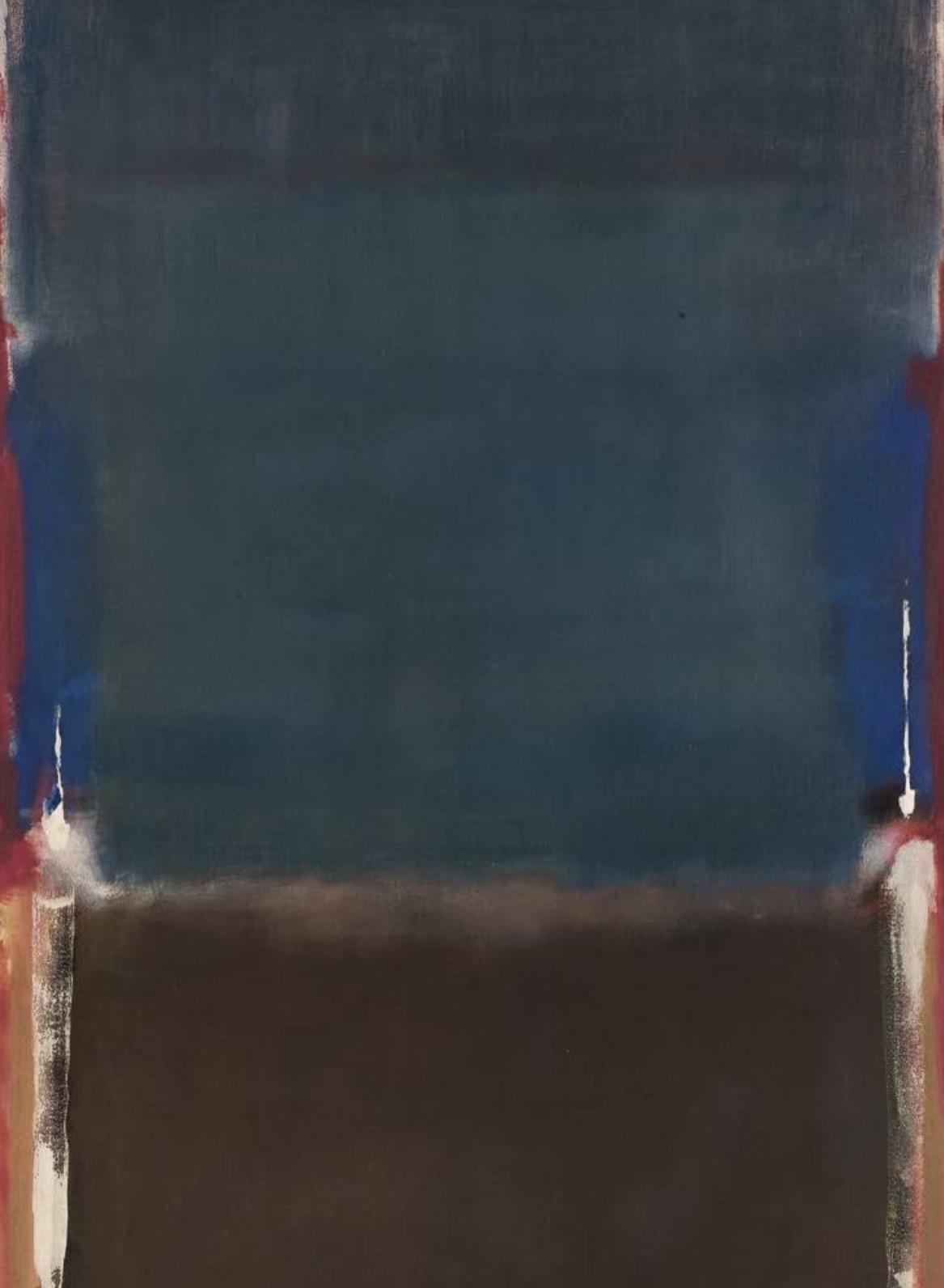
Mark Rothko - Untitled
“Wondering why this one stayed untitled :) ”
— Elena Virelli
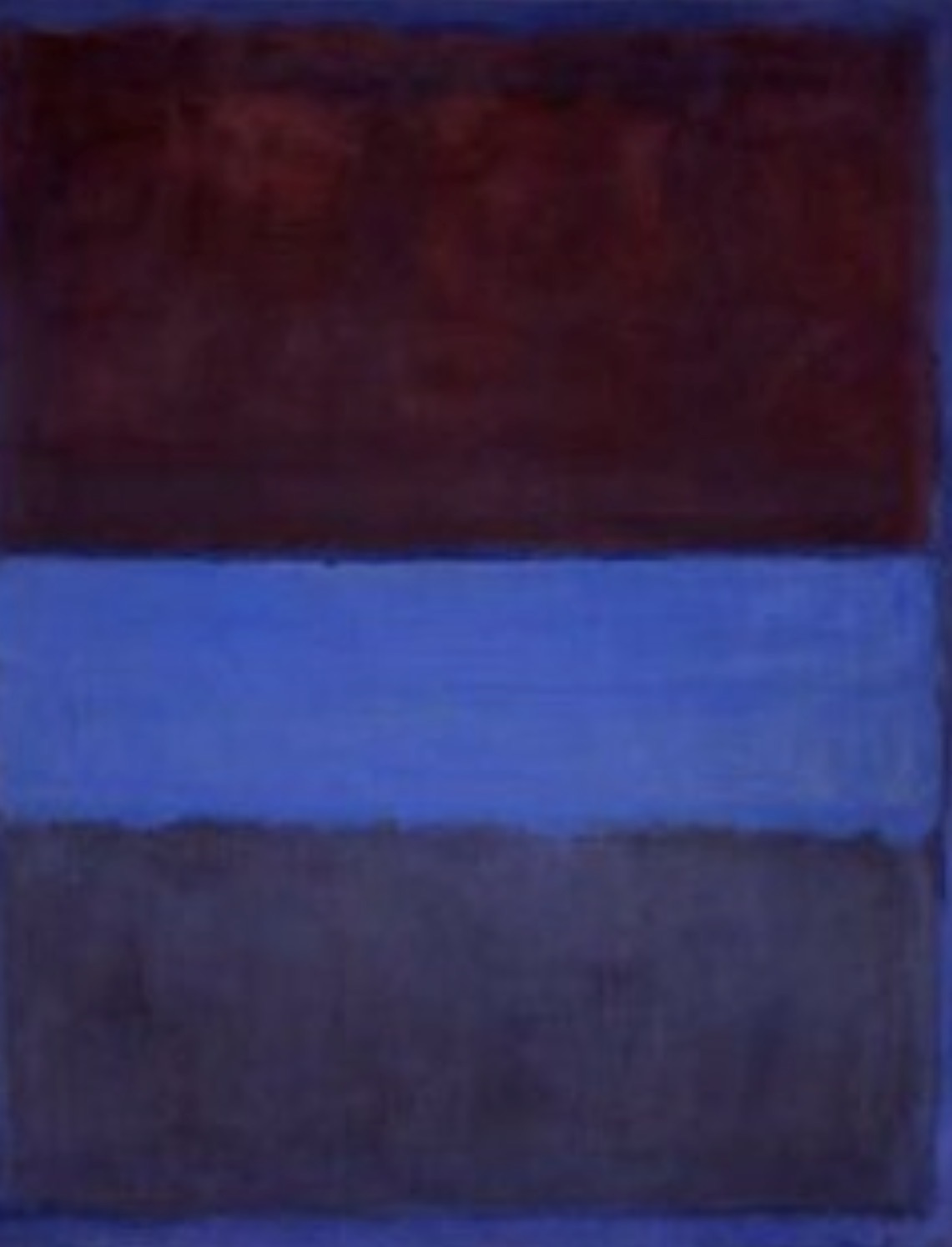
No. 61 (Rust and Blue) (1953)
“A horizon that doesn’t promise anything. Just the weight of being here.”
— Elena Virelli
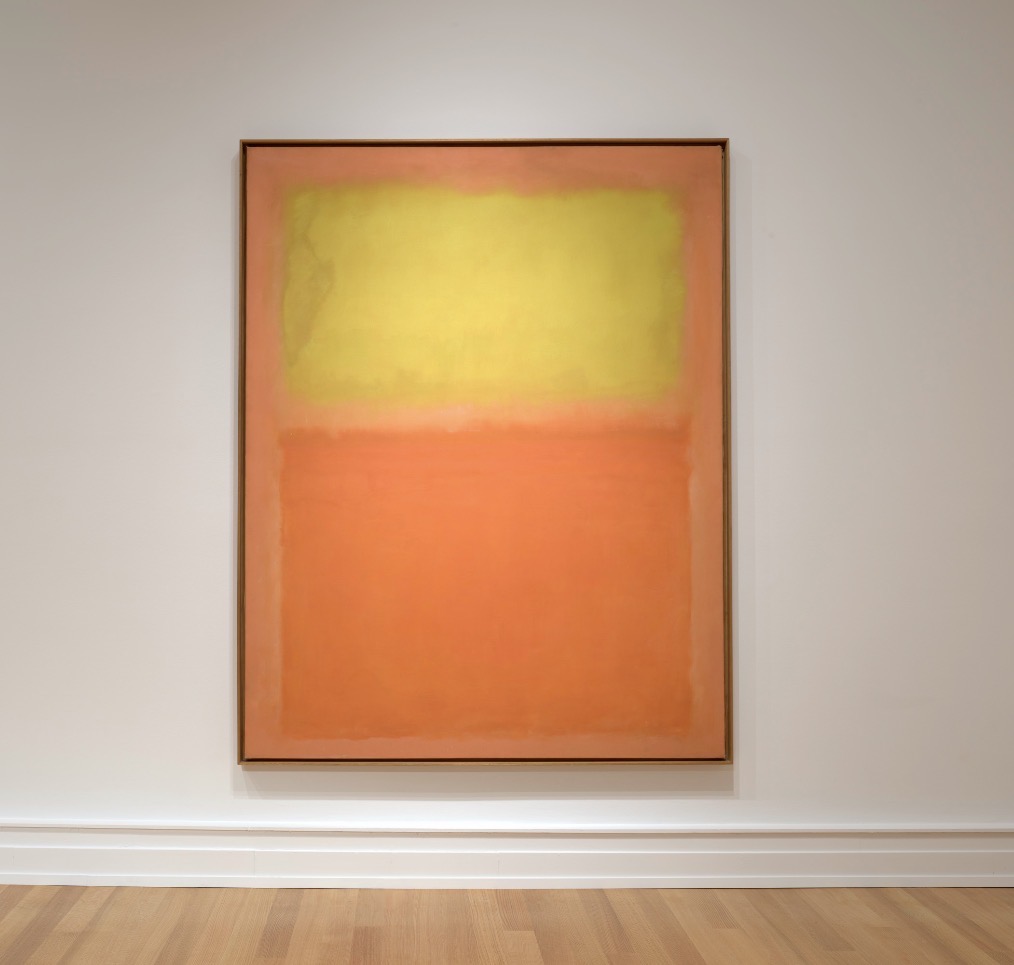
Orange and Yellow (1956)
“This one doesn’t ask questions. It just opens a window and lets light pour in.”
— Elena Virelli
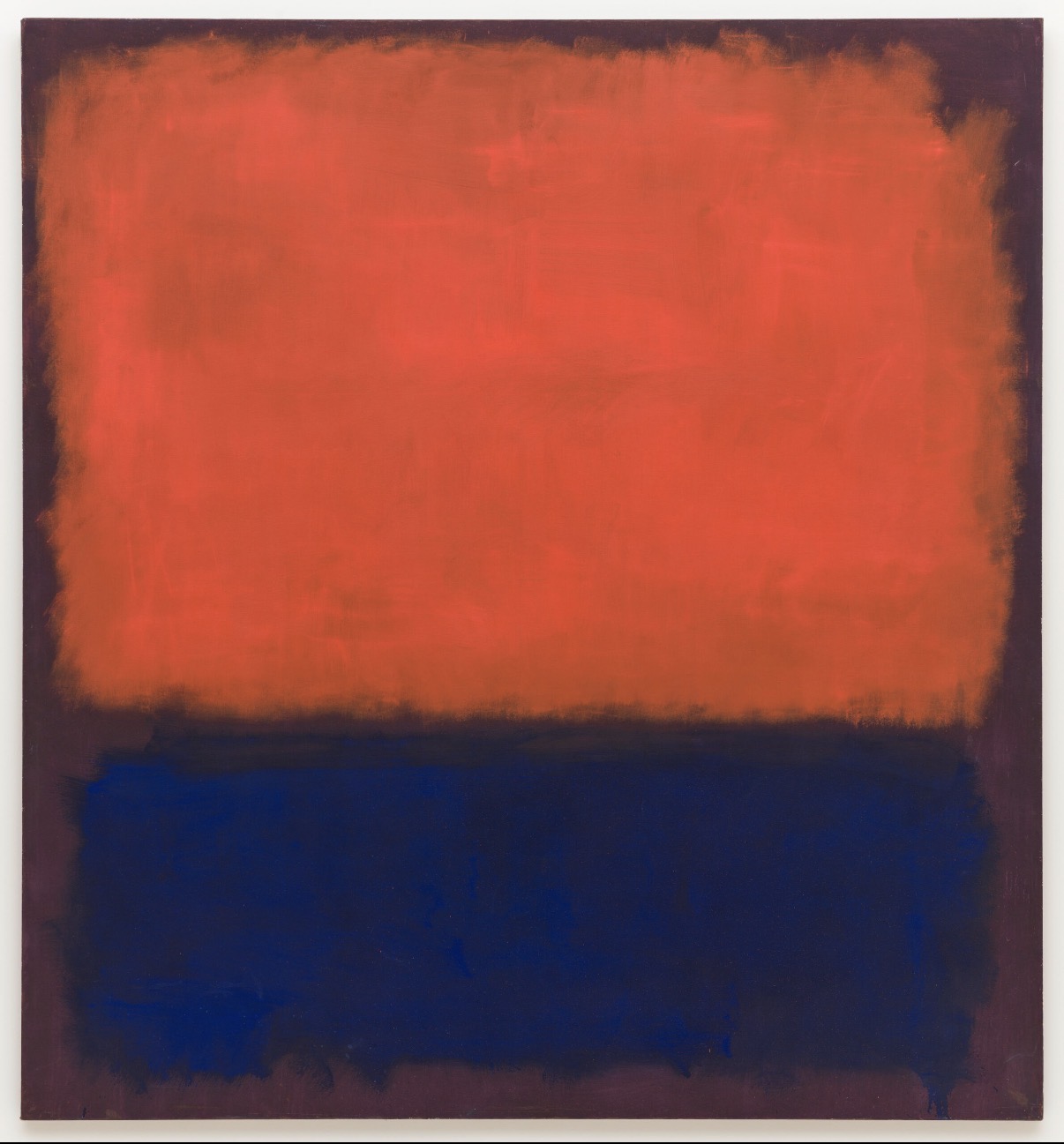
No. 14 (1960)
“Two colors arguing quietly. I feel like I’m witnessing a relationship on the edge of honesty. Nothing dramatic, just unbearable stillness.”
— Elena Virelli
Part 1: What the Academy Has Found
Developmental Stage Models
Starting in the mid-1970s, Abigail Housen conducted thousands of interviews at Harvard, recording how people of different backgrounds think when they look at art. She identified five stages of aesthetic development that unfold in a predictable sequence across cultural and socioeconomic boundaries.
At the first stage, which Housen called "Accountive," viewers are essentially storytellers. They use concrete observations and personal associations to build narratives about what they see. Judgments are emotional and immediate: I like this because it reminds me of something I know.
At the second stage, "Constructive," viewers begin building a more logical framework, using their own perceptions, knowledge, and values to assess whether the work "makes sense." By the third stage, "Classifying," they adopt the stance of an art historian, categorizing work by period, style, school, and origin. At the fourth, "Interpretive," they return to personal encounter but now with sophistication, letting meaning unfold slowly and appreciating subtleties of line, shape, and color. At the fifth, "Re-creative," the viewer treats artworks as old friends that remain full of surprises.
The sobering finding:
The vast majority of people, including regular museum visitors, remain at stages one or two. Without sustained, guided exposure, most people never develop past intuitive storytelling into deeper modes of engagement.
Michael Parsons (1987) proposed a parallel model. His five stages move from favouritism (I like what I like), through beauty and realism (good art looks like real things), expressiveness (art communicates the artist's emotion), style and form (analytical attention to how something is made), and finally autonomous judgment (socially aware, flexible interpretation). Like Housen, Parsons found that progression requires exposure and practice, not just innate taste.
Systematic Criticism
Edmund Feldman at the University of Georgia developed a four-step method that remains one of the most widely taught approaches in art education. The steps are:
1. Describe
What can you literally see?
2. Analyze
How do the parts relate to each other?
3. Interpret
What might this mean?
4. Judge
What is your informed evaluation?
The power of Feldman's model lies in its insistence on sequence. By forcing description before interpretation, it slows viewers down and prevents them from jumping to conclusions. Terry Barrett extended this work, emphasizing that the best criticism is more descriptive and interpretive than judgmental, and that viewers benefit from testing multiple theoretical lenses on the same work.
Phenomenology: The Body Knows
A very different tradition treats art not as something to be decoded but as something to be experienced with the whole body. Maurice Merleau-Ponty argued that seeing a painting is not a mental event happening behind the eyes. It is a bodily encounter in which the texture, scale, and gesture of the work engage the viewer's entire perceptual system. You do not just think about a Pollock; your motor cortex fires as if you are flinging paint yourself.

Martin Heidegger, in his 1935 essay "The Origin of the Work of Art," pushed further: artworks do not merely represent things. They disclose truth. They open up a world that was not visible before. This helps explain why some encounters with art feel revelatory rather than simply pleasant.
John Dewey's Art as Experience (1934) brought this down to earth. Dewey insisted that aesthetic experience is continuous with ordinary life. It happens when an interaction reaches completeness and fulfillment, the same quality of satisfaction you might feel finishing a difficult conversation well, solving a problem, or watching a storm pass. The problem with museums, Dewey suggested, is that they separate art from the flow of lived experience, turning it into something rarefied and intimidating rather than something natural.
Visual Thinking Strategies
Housen and educator Philip Yenawine turned these insights into a teaching method called Visual Thinking Strategies (VTS). It asks just three questions:
- 1. What's going on in this picture?
- 2. What do you see that makes you say that?
- 3. What more can we find?
The simplicity is deceptive. Studies in the San Antonio Independent School District found that students who completed VTS lessons significantly outperformed peers not only in aesthetic thinking but in math, science, and language arts. The method trains transferable skills: careful observation, evidence-based reasoning, tolerance for ambiguity, and the ability to hold multiple interpretations simultaneously.
Neuroscience and the Brain on Art
Neuroaesthetics has added a biological layer to these philosophical and pedagogical frameworks. Semir Zeki's fMRI research found that viewing art one finds beautiful activates the medial orbitofrontal cortex, the same brain region involved in romantic love, with blood flow increases of roughly 10%. The reward system releases dopamine, serotonin, and oxytocin, producing measurable physiological pleasure.
Eye-tracking studies reveal that while basic visual features like contrast and saliency create some common scanning patterns, cognitive factors (expertise, personal history, cultural background) introduce enormous individual variation. When human figures appear in a painting, viewers fixate on them overwhelmingly, regardless of other compositional elements. Vanishing points attract the eye, especially when they coincide with the central axis.
Peak aesthetic experiences have distinct physiological signatures:
Chills
Correlate with sympathetic nervous system activation: increased heart rate, muscle tension, and reward response.
Tears
Correlate with parasympathetic activation: physiological calming and catharsis.
Both activate brain regions associated with euphoria, and both appear to be cross-cultural core human responses to art.
Ever felt chills or tears in front of art?
Those moments are worth remembering.
Part 2: What Everyday People Actually Do
Academic frameworks describe what should happen, or what happens under controlled conditions. But when you look at how ordinary people describe their encounters with art, across Reddit forums, museum comment books, blog posts, and personal essays, a different, messier, and often more honest picture emerges.
The Gut Check Comes First
People overwhelmingly describe their first encounter with art as emotional, not analytical. The dominant advice in community discussions is some version of "stop trying to understand it and just feel it." People who report breakthroughs in appreciating art almost always describe a moment where they abandoned the effort to decode meaning and simply allowed an emotional response. This maps loosely onto Housen's first stage, but people do not experience it as primitive. They experience it as the most authentic form of engagement.
The "I Don't Get It" Barrier
This is the single most discussed topic in online art communities. People encountering modern or abstract art report feeling excluded, confused, even resentful. The common frustration: I see a blank canvas and everyone else is acting like it is profound.
The breakthrough, when it comes, usually arrives through one of two doors: either someone provides historical context (understanding why Malevich's Black Square mattered requires knowing what came before it), or the person has a direct physical encounter with the actual work (seeing a Rothko in person versus in a digital reproduction is almost universally cited as a transformative difference). This confirms both Barrett's emphasis on contextual interpretation and Merleau-Ponty's insistence on embodied perception.
Lingering Without Permission
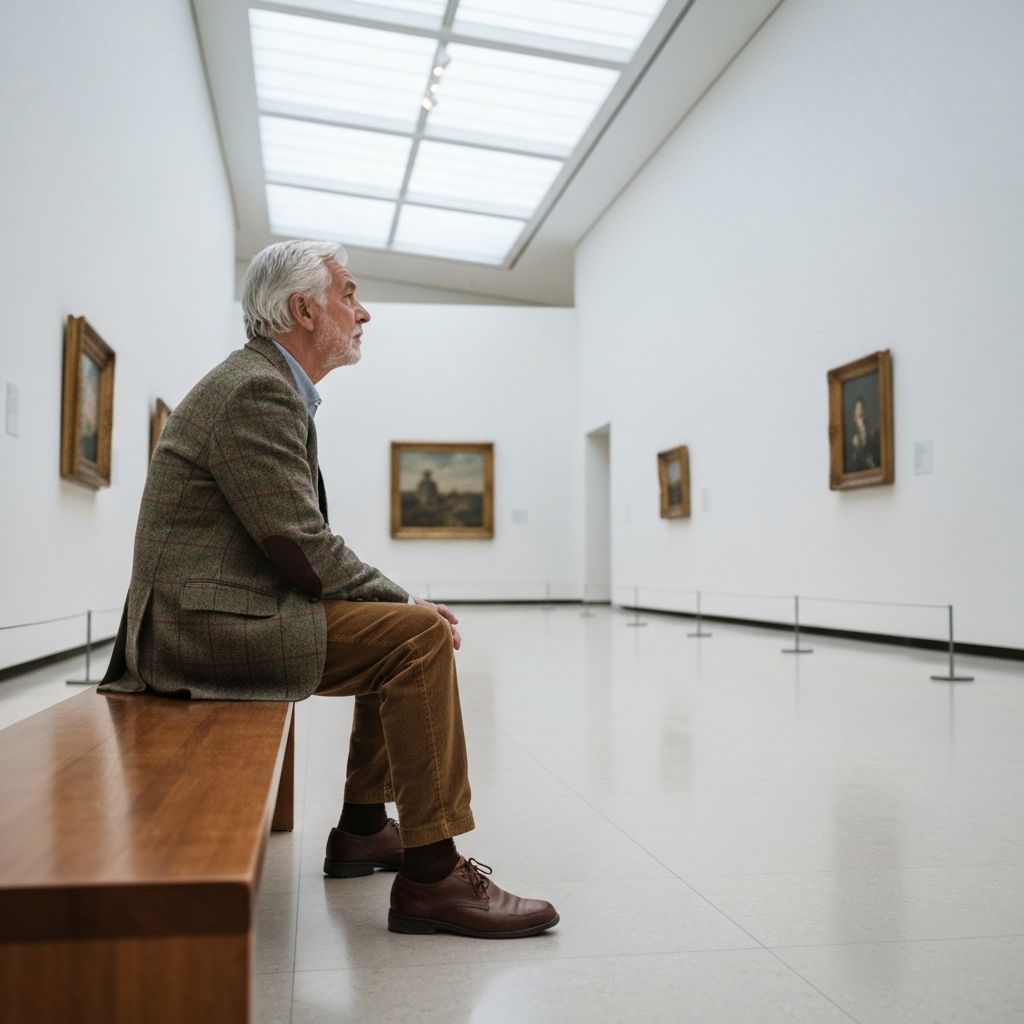
Museum research consistently shows that average viewing time is under half a minute. But in online discussions, the people who describe the most meaningful experiences are those who broke this pattern, often accidentally. They got "stuck" in front of something, lost track of time, and entered what sounds remarkably like Csikszentmihalyi's flow state. Many describe feeling embarrassed about how long they stood there, suggesting a social norm against sustained looking that actively works against deep engagement.
Looking Before Reading
A recurring piece of advice from both experienced gallery-goers and museum educators: do not read the label first. Form your own impression, notice what draws your eye, sit with your uncertainty, and only then check the title, date, and artist statement. People describe this reversal as liberating. It shifts the frame from "am I understanding this correctly?" to "what am I actually seeing and feeling?"
Physical and Spatial Overwhelm
First-time museum visitors frequently describe intimidation, not by the art itself but by the architecture, the silence, the unspoken behavioral codes. The realization that "you belong in cultural spaces and don't need to know anything about art to have a look" is described as a genuine revelation across many discussions. This aligns with Dewey's argument that separating art into rarefied institutional spaces undermines the very experience it is supposed to foster.
Tears as Validation

A 2023 phenomenological study by Dooiee Kim analyzed 34 blog narratives of crying at museums and identified three distinct forms:
The Mirror Effect
Tears from encountering one's innermost self through the artwork
The Sensory Flood
Tears from sudden overwhelming stimulation
The Compassion Effect
Tears from empathizing with the world depicted in the artwork
In online discussions, people who cry at art almost always describe it as the most "real" aesthetic experience they have had. Rothko's color field paintings, Van Gogh's Starry Night, and large-scale immersive installations come up repeatedly. The experience often catches people off guard. They did not expect to be moved. That surprise is itself part of what makes the experience feel significant.
Personal Narrative as Interpretation
Rather than applying formal categories (line, color, composition), everyday viewers overwhelmingly interpret art through personal narrative. They see their grandmother's kitchen in a Dutch interior, their own grief in a Pieta, their childhood landscape in an Impressionist meadow. This is precisely what Housen's Accountive stage describes, but it is not confined to novices. Experienced viewers also do it; they just layer it with other modes of engagement.
What personal stories do artworks unlock in you?
Art Journal helps you capture these connections before they fade.
Part 3: The Museum and Gallery Dimension
Museums have developed their own distinct tradition of facilitating reflection, shaped by decades of research into visitor behavior and pedagogical practice.
Slow Looking
The slow looking movement, formalized through events like international Slow Art Day (held every April), asks visitors to spend 10 to 20 minutes with a single work. Professor James Pawelski at the University of Pennsylvania found that sustained viewing up to twenty minutes significantly increases the odds of meaningful connection with an artwork.
Neuroscience supports this: slow, deliberate looking activates the amygdala and shifts the nervous system out of fight-or-flight and into a state of presence and connection. The Tate recommends 10 minutes as a starting point. The Ashmolean describes it as being about "the quality of attention rather than the quantity of time."
Institutional Approaches
Major museums have developed specific approaches:
- MoMA uses inquiry-based techniques emphasizing observation, description, interpretation, and connection.
- The Getty runs "Mindful Moments in the Museum," free 20-minute guided meditation sessions that transition from breath observation to careful looking.
- The National Gallery of Ireland runs mindfulness tours.
- LACMA offers Mindful Monday and Art & Meditation programs.
- Tate emphasizes artist-led sessions where interpretations are constructed through group dialogue.
What Visitor Research Shows
Audio guides have proven surprisingly powerful: research shows participants recalled more artworks one month later, with those using descriptive audio recalling the most details. The key finding is that audio guides work not because they provide information but because they slow people down and direct sustained attention.
Viewing time is unrelated to gender or age but strongly related to group size (larger groups spend more time, likely because of social discussion) and artwork size (larger works command more attention). Photography restrictions slightly increase viewing time, from roughly 27 seconds to roughly 33 seconds, suggesting that the act of photographing may actually reduce engagement rather than enhance it.
Part 4: The Emotional and Psychological Dimension
The psychological literature identifies aesthetic experience as a qualitatively distinct state. It is not simply "liking something" but a form of absorbed, detached attention where ordinary self-concerns are temporarily suspended.
Research identifies five types of art appreciation:
Aesthetic Pleasure
Emotional Appreciation
Cognitive Appreciation
Aesthetic Charm
Heightened Consciousness
These are not a hierarchy. They are different modes people move between, often within a single encounter with a work.
Embodied cognition research has shown that viewing art activates motor cortex. Viewers of Pollock's drip paintings report feeling as though they are flinging paint themselves, because mirror neurons translate observed gestures into internal motor simulations. A bold brushstroke evokes an internal sensation of motion. A delicate glaze triggers simulations of careful, precise handling. The body is always involved in looking, even when we think we are "just" thinking.
Art therapy research isolates the mechanism from the other direction: the process of externalizing emotions into visual form facilitates perspective-taking and reflection that is often inaccessible through verbal conversation alone. The art becomes a concrete external object that one can examine from the outside, which changes one's relationship to the feelings it represents.
A 2024 systematic review confirmed that aesthetic experiences can be genuinely transformative, producing lasting changes in self-conception, worldview, and even personality. The researchers described these as "brief experiences perceived as extraordinary and unique, leading to enduring and potentially irreversible outcomes."
Art can transform us, but only if we remember the encounter.
Don't let meaningful moments disappear into your camera roll.
Part 5: Five Methods for Reflecting on Art
Drawing on everything above, here are five distinct methods for reflecting on art. Each represents a genuinely different approach, not just a different label for the same process. They can be used independently or combined.
Discover Your Art Reflection Style
Not sure which method is right for you? Answer 10 quick questions to find out how you naturally connect with art.
Method 1: The Embodied Encounter
Rooted in: Merleau-Ponty, embodied cognition research, the slow looking movement, museum crying research
This method treats the body as the primary instrument of understanding. You do not start by thinking. You start by being physically present with the work.
The process:
Stand close enough that the work fills your peripheral vision. Notice your breath. Notice any physical sensations: tension, relaxation, an impulse to lean in or step back. Let your eyes move freely without trying to "read" the image. Stay for at least five to ten minutes. If emotions arise, do not analyze them yet. Just notice where you feel them in your body. Only after this extended physical encounter do you begin to name what you experienced.
Best for: Large-scale works, abstract art, immersive installations, sculpture. People who tend to over-intellectualize and want to reconnect with direct sensory experience.
Method 2: The Structured Inquiry
Rooted in: Feldman's criticism model, Visual Thinking Strategies, Barrett's art criticism, museum educator techniques
This method uses systematic questioning to build understanding layer by layer, moving from observation to meaning.
The process:
- 1. Inventory: Spend two to three minutes listing everything you can literally see. Colors, shapes, figures, objects, textures, spatial relationships. No interpretation yet.
- 2. Relationships: How do the elements relate? What occupies the center versus the margins? Where does your eye travel? What is emphasized through size, color, or placement?
- 3. Meaning-making: Based on what you have observed, what might this be about? Generate multiple interpretations. There is no single right answer.
- 4. Evaluation: Now, and only now, bring in your judgment. What is working? What is the effect of the choices the artist made?
Best for: Anyone new to art who wants a reliable entry point. Classroom or group settings. Works that feel opaque or intimidating.
Method 3: The Narrative Bridge
Rooted in: Housen's Accountive stage, Dewey's continuity thesis, everyday viewer behavior, art therapy mechanisms
This method treats personal association as a legitimate and powerful form of interpretation. Rather than fighting the impulse to connect art to your own life, you lean into it deliberately.
The process:
Look at the work and ask: What does this remind me of? Follow the association wherever it leads—a memory, a person, a place, a feeling from a specific moment in your life. Write or mentally elaborate the connection. Then ask: What in the artwork specifically triggers this association? A color? A gesture? A spatial arrangement? Finally: What does this tell me about what the artwork is doing, and what does it tell me about my own inner life? The artwork becomes a mirror and a bridge simultaneously.
Best for: People who say they "don't know enough about art." Figurative and narrative work. Portraits, genre scenes, photography. Anyone processing difficult emotions or life transitions.
Method 4: The Contextual Investigation
Rooted in: Housen's Classifying stage, Barrett's theoretical frameworks, the "I don't get it" barrier, museum audio guide research
This method treats the artwork as a historical document and a move in a long conversation between artists across time. Understanding why it was made and what it was responding to unlocks meaning that pure looking cannot access.
The process:
- 1. First impression: Spend one to two minutes looking without any information. Note your honest reaction, including boredom or confusion.
- 2. Context gathering: Read the label, the wall text, or look it up. When was it made? What was happening in the world? What artistic tradition was the artist working in, or rebelling against?
- 3. Re-encounter: Look again with this context. Does the work change? What do you see now that you did not before?
- 4. Historical empathy: Try to imagine the first audience for this work. What would it have meant to see this in 1863, or 1917, or 1960? The gap between their reaction and yours is itself revealing.
Best for: Modern and contemporary art that seems baffling without context. Conceptual art. Art from unfamiliar cultures. People who are intellectually curious and enjoy learning.
Method 5: The Dialogic Exchange
Rooted in: Vygotsky's social constructivism, VTS group methodology, Tate's dialogue model, museum visitor research on group size
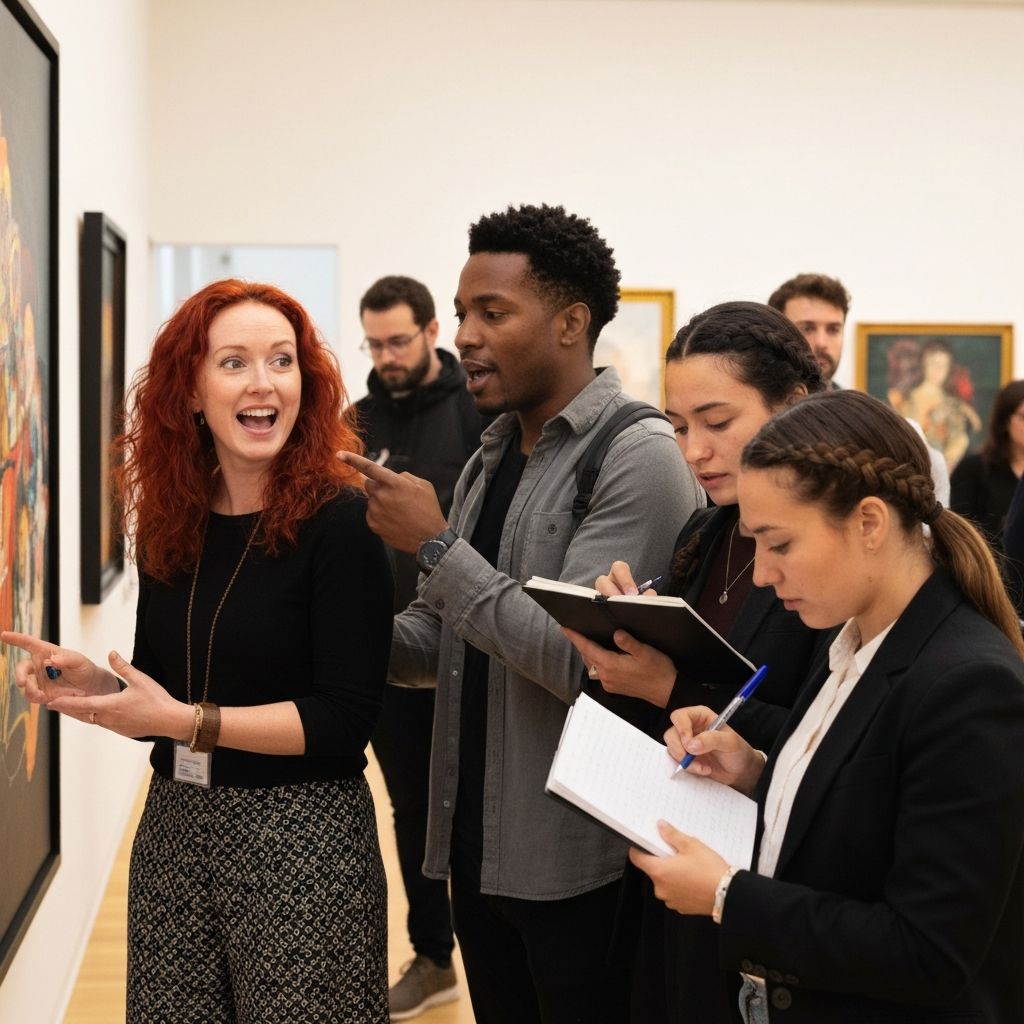
This method treats art reflection as fundamentally social. Research shows that groups spend more time with art and that dialogue produces interpretations no individual would reach alone.
The process:
Two or more people look at the same work. One person describes what they see while the others listen without interrupting. Then the next person adds what they notice. Disagreement is productive: "I see grief" and "I see peace" can both be valid, and the tension between them opens up the work. The group cycles between looking and talking, with each round of observation informed by what others have pointed out. A facilitator, or just a shared commitment, ensures everyone speaks and no interpretation is shut down.
Best for: Museum visits with friends or family. Classrooms. Art therapy groups. Anyone who finds solo gallery visits lonely or intimidating. Works that are ambiguous or divisive.
Not sure which method suits you?
Take our 2-minute quiz to discover your art reflection style.
How the Methods Work Together
These five methods are not mutually exclusive. In practice, a rich encounter with art often involves moving between them. You might begin with an Embodied Encounter (feeling a Rothko wash over you), shift into Narrative Bridge (it reminds you of looking at the ocean as a child), then use Contextual Investigation (learning that Rothko wanted to produce precisely this kind of quasi-religious emotional experience), and finally process it all through Dialogic Exchange with the person standing next to you.
The key insight from both the academic research and everyday accounts:
There is no single "correct" way to reflect on art. But there are ways to go deeper, and they almost always involve three things:
Twenty-seven seconds is where most of us start. It does not have to be where we stop.
Ready to go deeper?
Art Journal helps you capture, reflect on, and remember the moments when art truly moved you. No expertise required.
Sources and Further Reading
- Housen, A. "Overview of Aesthetic Development." Visual Thinking Strategies. vtshome.org/aesthetic-development/
- VTS Research. vtshome.org/research/
- Feldman, E. "Model for Art Criticism." University of Georgia.
- Barrett, T. Criticizing Art: Understanding the Contemporary. McGraw-Hill.
- Dewey, J. Art as Experience. 1934. Perigee Books.
- Merleau-Ponty, M. Stanford Encyclopedia of Philosophy.
- Heidegger, M. "The Origin of the Work of Art." 1935.
- Parsons, M.J. How We Understand Art: A Cognitive Developmental Account. Cambridge University Press, 1987.
- Zeki, S. "Your Brain on Art: The Case for Neuroaesthetics." PMC, National Institutes of Health.
- "Eye Tracking and Visual Arts." PMC/NIH.
- "Aesthetic Experiences and Their Transformative Power: A Systematic Review." Frontiers in Psychology, 2024.
- Kim, D. "Three Forms of Museum Tears." SAGE Journals, 2023.
- "Slow Art Plus: Single Session Art Gallery-Based Intervention." Frontiers in Public Health, 2024.
- Tate. "A Guide to Slow Looking." tate.org.uk/art/guide-slow-looking
- MuseumNext. "What Is Slow Looking?" museumnext.com/article/what-is-slow-looking
- NPR Life Kit. "How to Look at Art (and Have a Perception-Altering Experience)." January 2023.
What others are feeling
Real reflections from the Art Journal community
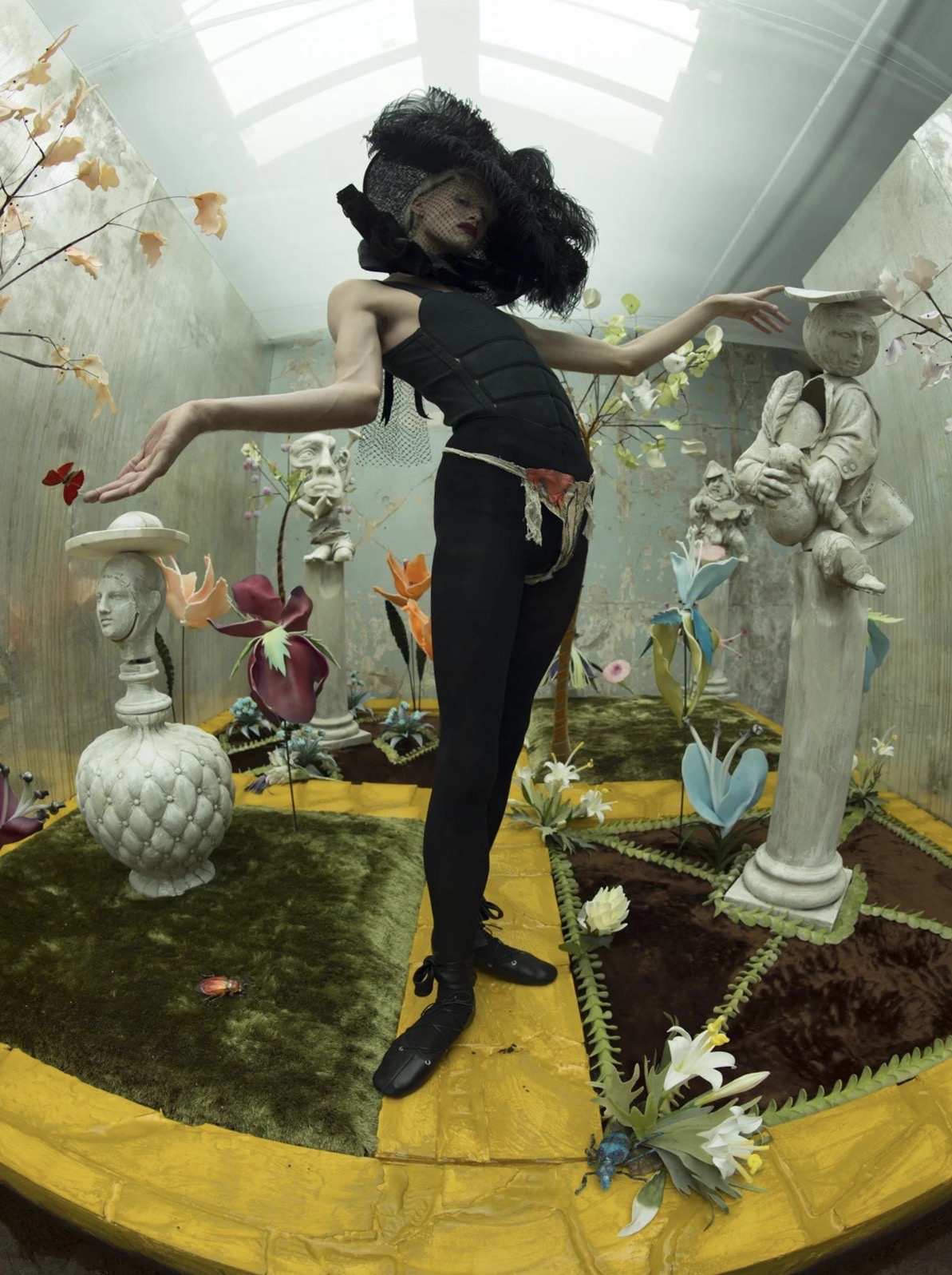
Box of Delights
“This feels like stumbling into a fairy tale written by someone with a wonderfully strange imagination. I love how unapologetically artificial everything is. Alice in Wonderland meets haute couture, with a touch of beautiful madness.”
by Nina
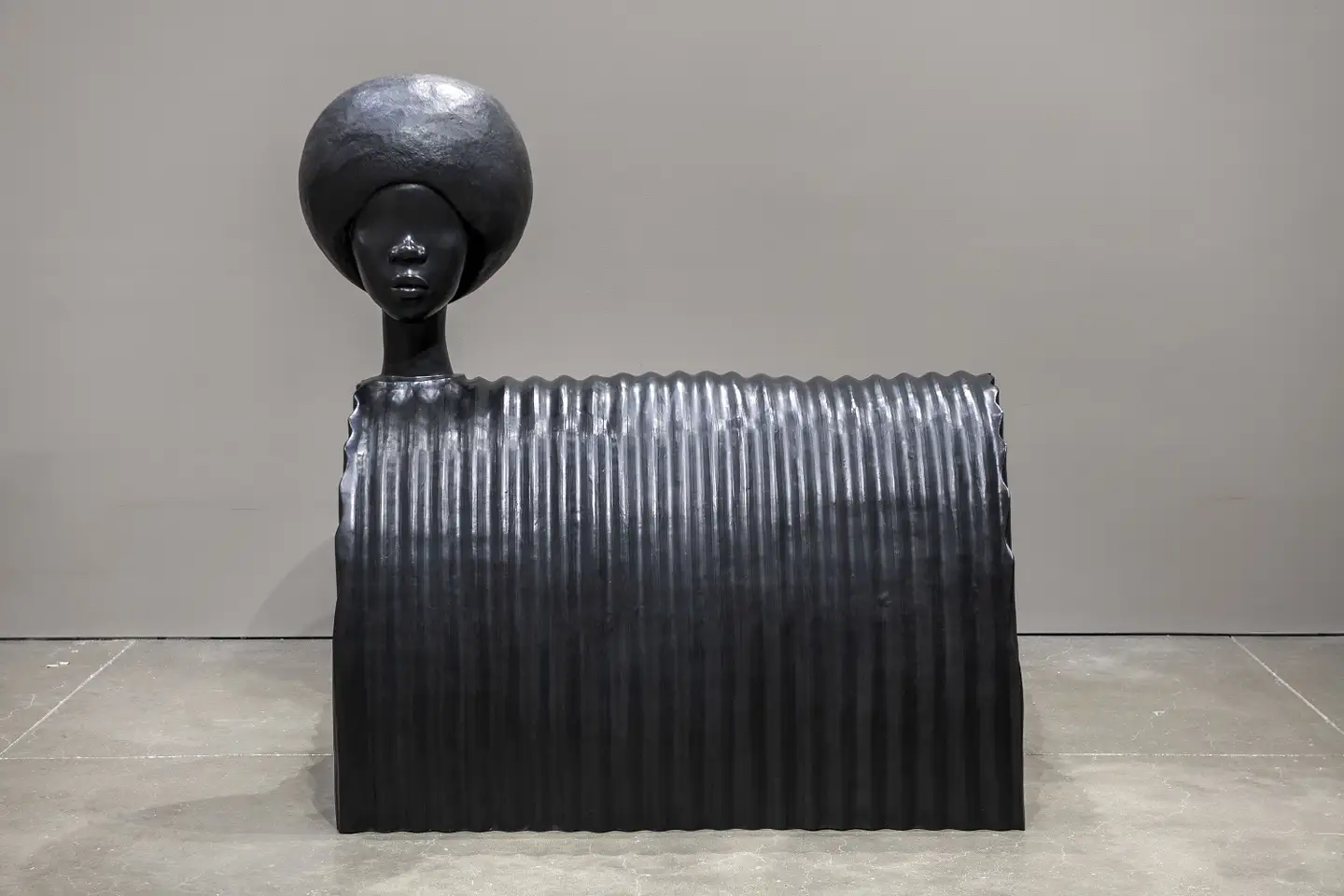
Sentinel
“I love that Leigh gives a woman this monumental presence without asking her to reveal anything about herself”
by Nina

The Orange Plague (King of Injustice)
“XDDDDDDDDDD”
by misfortune
The Orange Plague (King of Injustice)
“Just brilliant! ”
by Rebel96
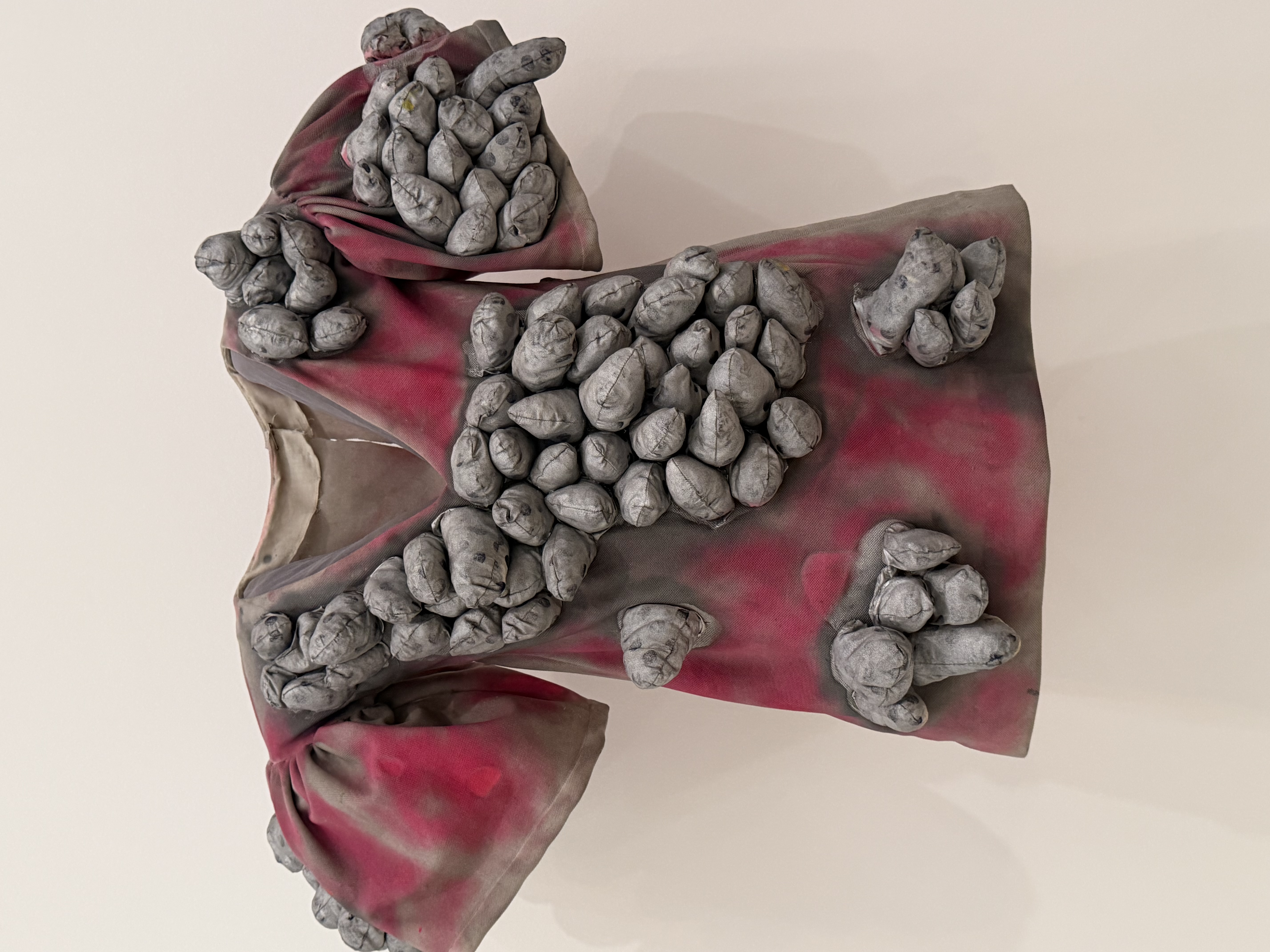
Pink dress
“I forgot this one. Discussed it with a friend today and wanted to share. ”
by softfocusnoir
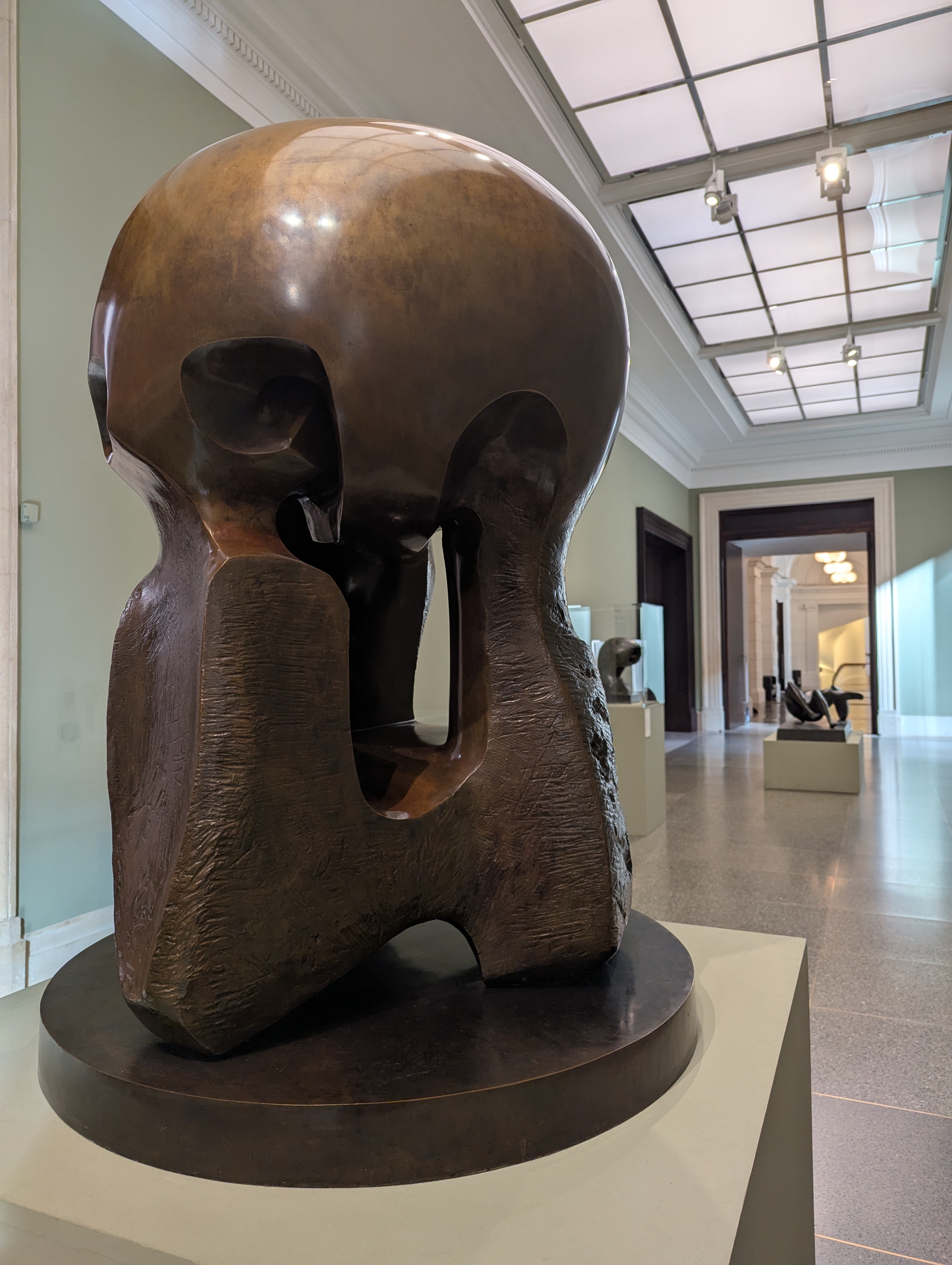
Henry Moore
“Emotional. I was overwhelmed by the beauty of these works. ”
by The_InvisibleWoman
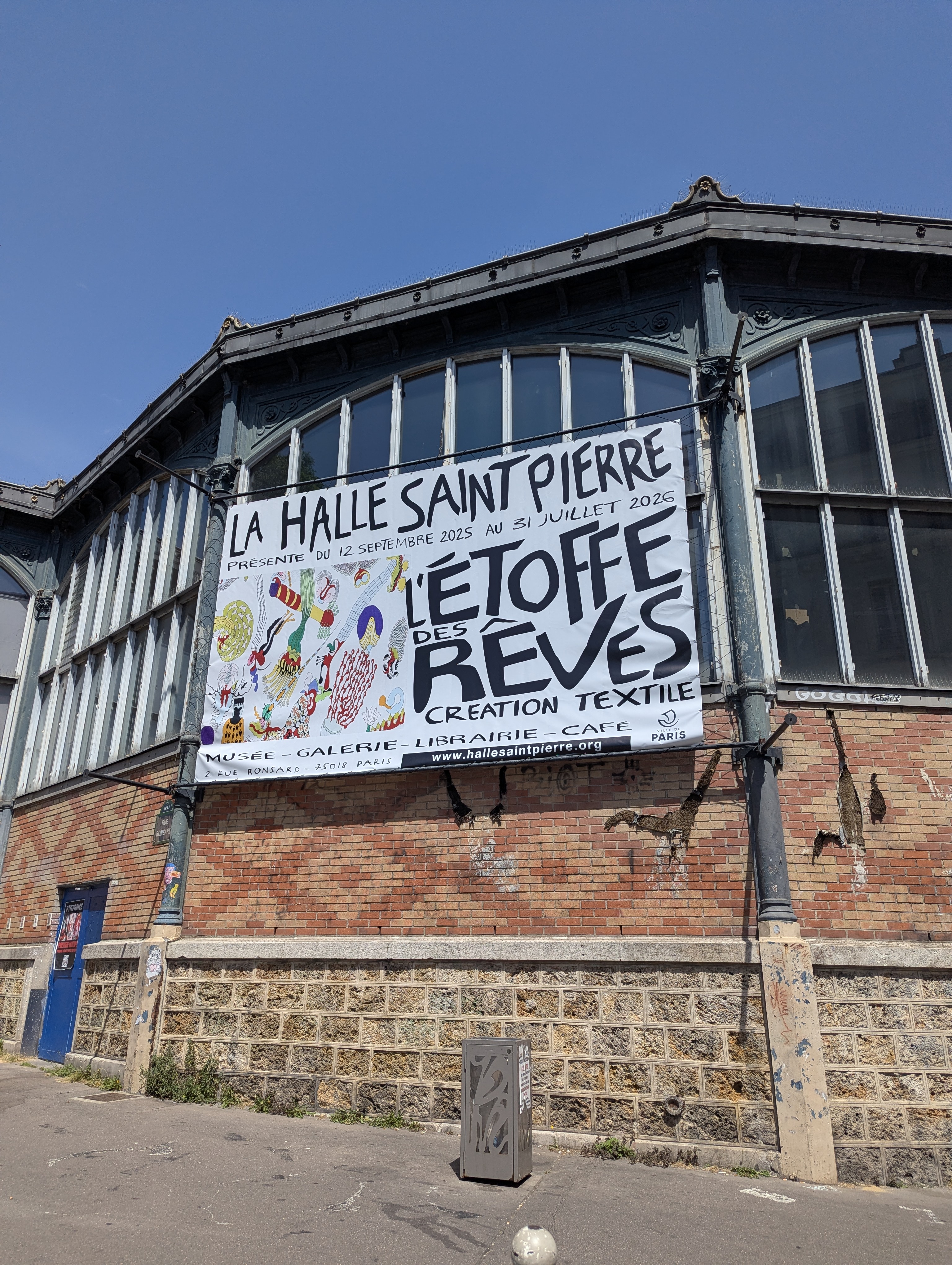
L'etoffe Des Rêves
“Surreal and weird, outsider art which made you rethink the term art itself. ”
by The_InvisibleWoman
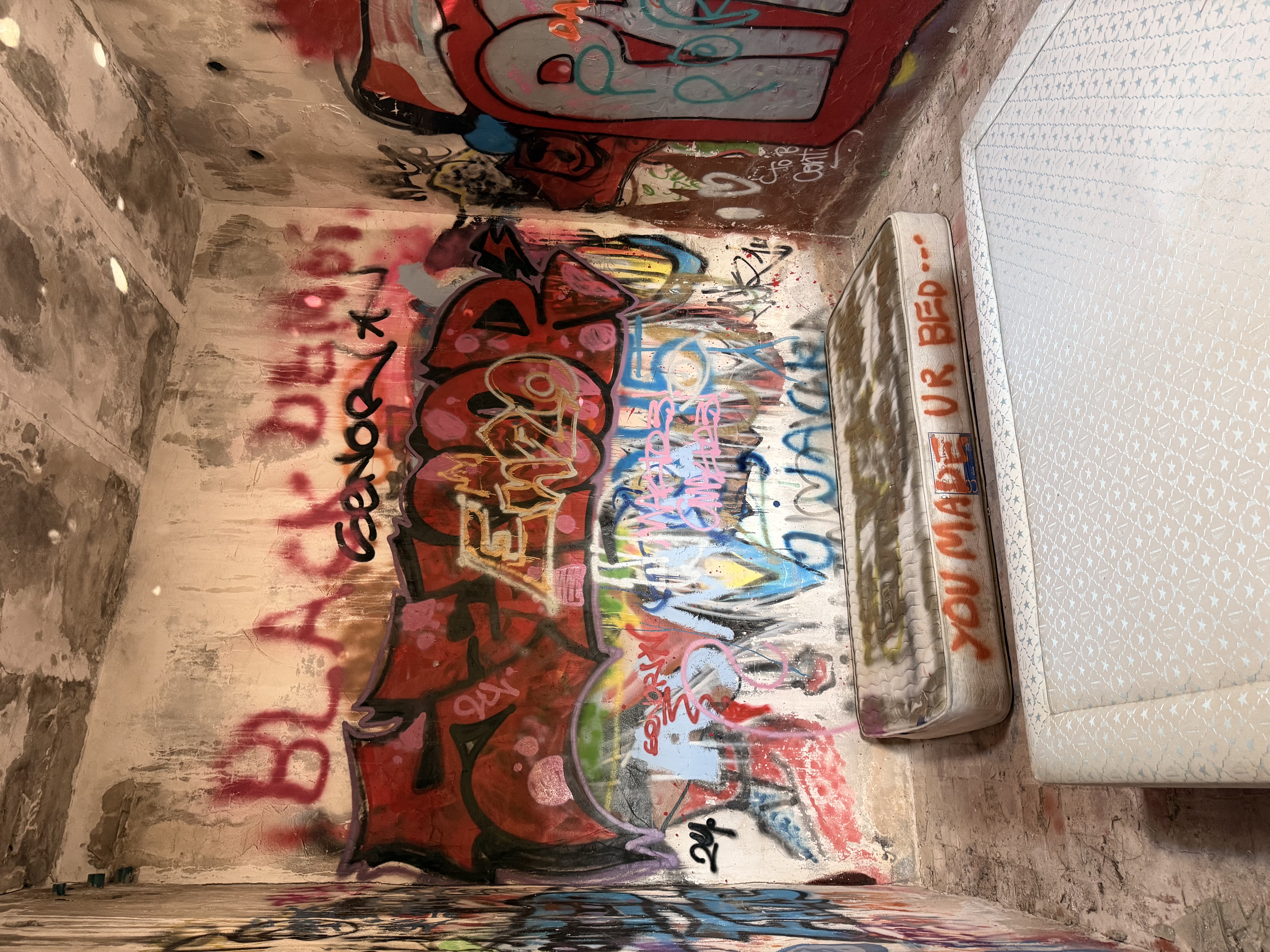
You made ur bed
“I found this place by accident, and immediately wanted to share, it’s so cool!”
by lola
Continue Reading
Why Art Needs Its Own Letterboxd
We track films and books. Why not the art that quietly rearranges something inside us?
A Simple Way to Take Notes During Art Exhibitions
Learn how to capture meaningful moments during museum visits and gallery exhibitions.
What Is Art? Why It Can't Be Defined (And Why That Matters)
A reflection on meaning, emotion, and why art journaling helps us capture what words cannot.