How to Save Kids' Artwork (Without Losing Your Mind or Your Walls)
As promised in my last blog post about taking notes during art exhibitions, today I'm sharing how I use my art journal diary to preserve something equally precious - my children's artwork.
If your fridge is buried under 47 finger paintings, and you feel guilty every time you secretly throw one away - this post is for you.
Kids create a lot of art. A lot. Drawings, collages, painted rocks, tissue paper flowers, things made of pasta and glitter. It piles up fast.
Most of us start out keeping everything. Then we run out of space. Then we start hiding things in recycling bins at night. And then comes the guilt.
But here's the thing - you don't have to keep every single piece of paper to honor what your child created. What matters more is the story, the moment, and the memory.
In this post, I'll share a few practical ways to save kids' artwork - digitally, physically, and emotionally - so you can let go of the clutter while keeping what really matters.
Why It's Hard to Throw Away Kids' Art
Let's start with the emotional part. Because that's where the problem really lives.
A drawing your child made isn't just paper and crayon. It's a window into who they were at that age. The way they held the marker. The colors they chose. The story they told you while they drew it. Understanding what kids' drawings mean at different ages can make these moments even more meaningful.
When you throw it away, it can feel like you're throwing away a piece of them.
But you're not. You can keep the memory without keeping every object. That's where documentation comes in.
Take a Photo - But Make It Meaningful
The easiest way to preserve artwork is to photograph it. But a random photo in your camera roll won't help you later. In six months, you'll scroll past it and think, "Wait, which kid made this? And when?"
Instead, add context. Write a short note. Use an art journal diary to capture not just the image, but the story around it.
Here's what I like to include:
- The date
- The child's age
- What they said about the drawing
- What it represents to them (a dragon? a family portrait? a "really fast car"?)
Even one sentence turns a photo into a memory. Five years from now, that note will mean everything.
Create a Rotating Gallery at Home
You don't have to display everything. A few favorites at a time is enough.
Use a simple system: a clipboard, a string with clothespins, or a magnetic board. When something new comes in, something old goes out.
Before you rotate a piece out, photograph it. Add a note. Then you can let it go - guilt-free.
Use a Digital Art Journal
This is where Art Journal comes in. Instead of scattered photos, you can build a visual timeline of your child's creativity.
Each entry becomes a moment. You can tag it, write a reflection, and revisit it later. Over time, you'll have a searchable archive of their artistic journey.
It's not about being organized. It's about being intentional. Instead of keeping everything, you're keeping what matters - with context.
I've been using my own Art Journal to document my kids' artwork, and it's changed how I think about preserving their creativity.
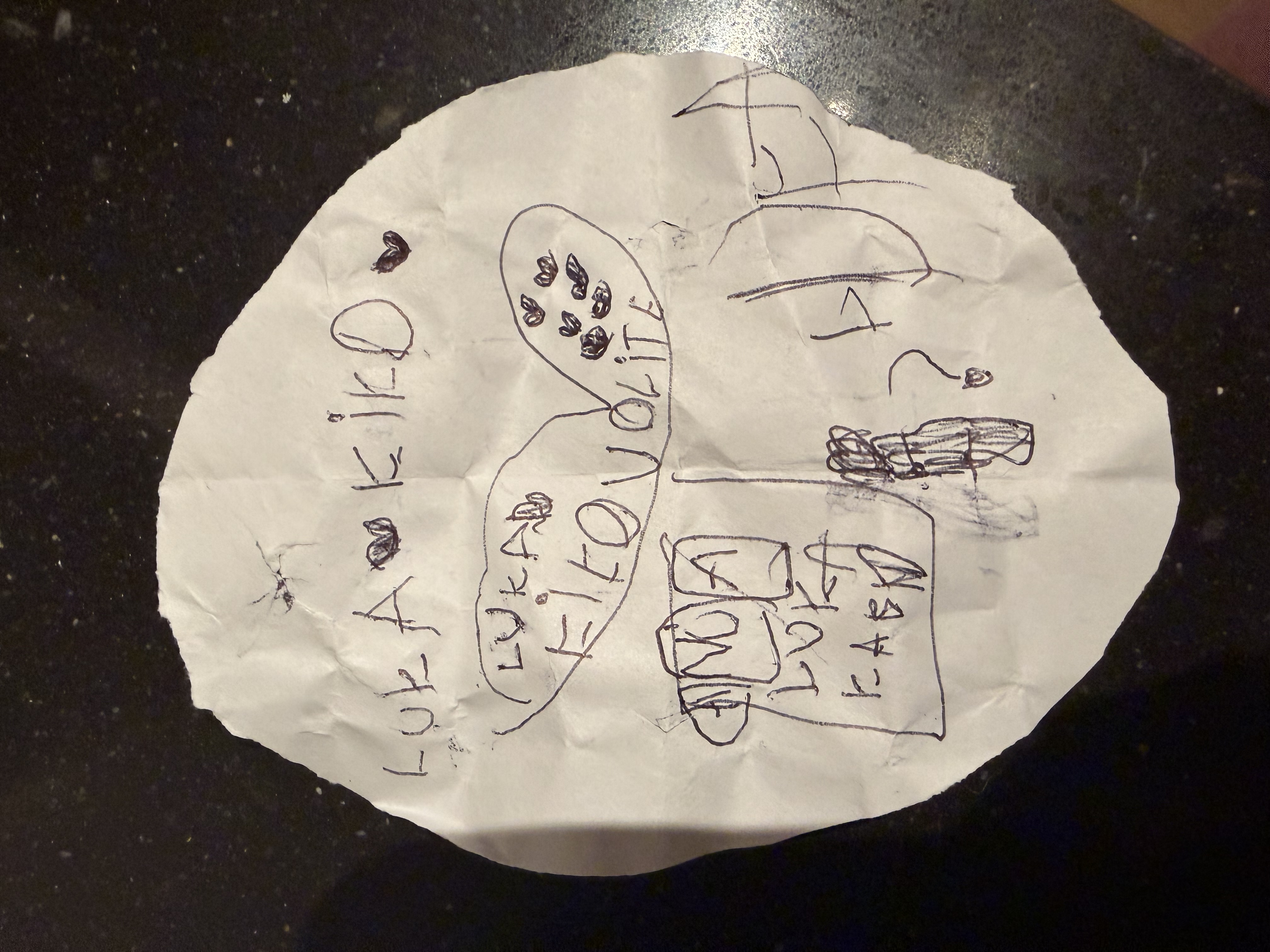
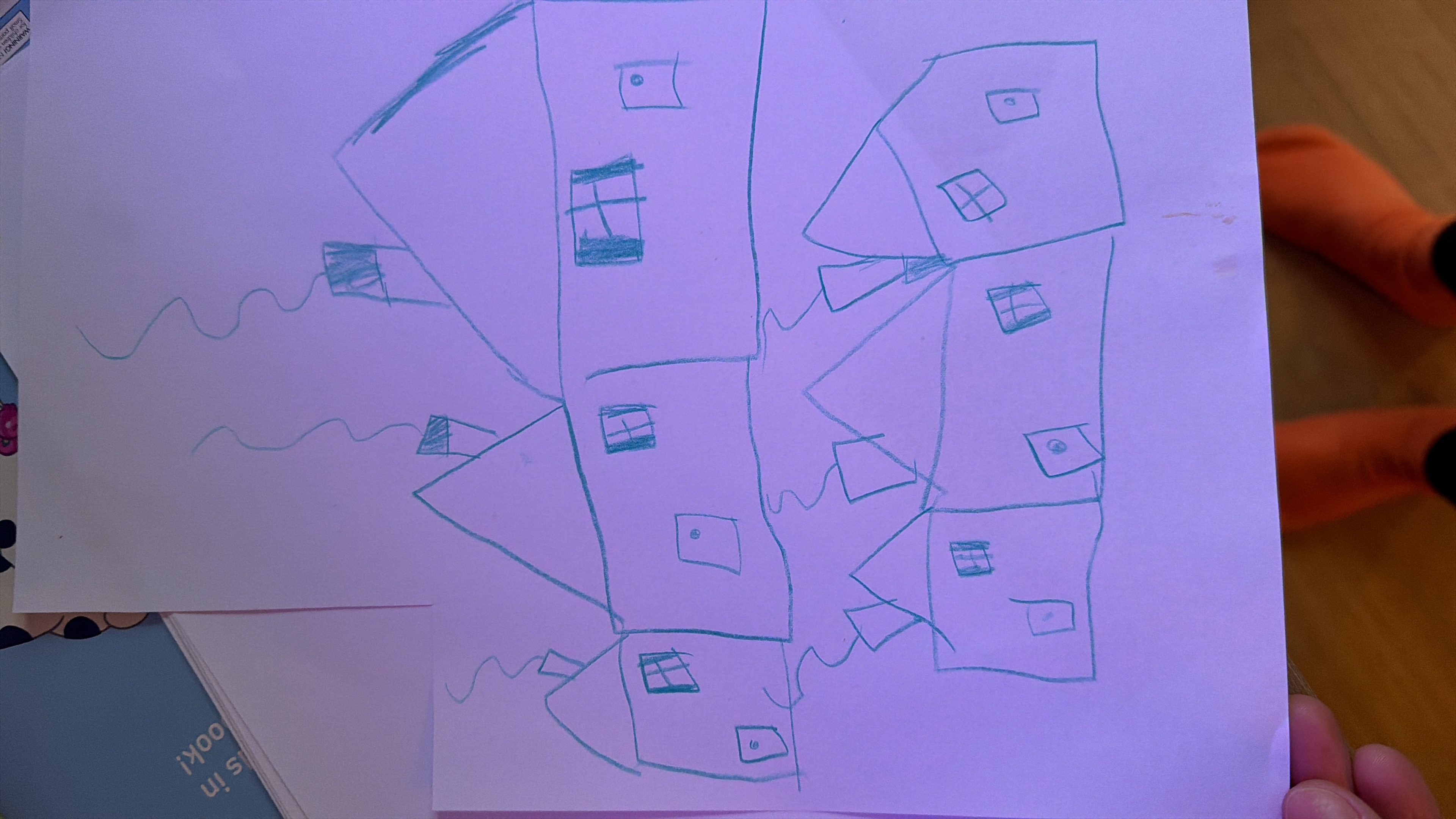
Examples from my art journal diary - each piece tagged and preserved with its story.
Keep a Few Originals - But Choose Wisely
Not everything needs to be digital. Some pieces deserve a physical home.
I keep a small folder for each of my kids. A few pieces per year. The ones that feel special - first self-portrait, first time they wrote their name, a drawing they made for someone they love.
When the folder is full, I go through it and make room. The rule is simple: something new replaces something old.
Turn Art Into Something Usable
Another way to preserve artwork is to give it a second life.
- Print a drawing on a mug, tote bag, or calendar
- Frame a favorite piece and hang it properly
- Create a photobook of the year's best work
- Use drawings as wrapping paper for gifts
This way, the art isn't just saved - it's part of your life.
Involve Your Kids in the Process
Kids don't need you to keep everything. They need to know their work is valued.
Let them help choose what to save. Ask them which drawing they're most proud of. Take a photo together and let them tell you the story.
This teaches them that creativity isn't about the paper - it's about the process. And that some things can be remembered without being kept.
Let Go Without Guilt
Here's the hardest part: giving yourself permission to throw things away.
You're not a bad parent if you don't keep every doodle. You're not erasing their childhood. You're making room - for more art, more memories, more life.
The goal isn't to preserve every mark they make. The goal is to remember who they were, and how they saw the world.
An art journal diary can help with that. One photo. One note. One moment at a time.
Start Today
You don't need a perfect system. You just need to start.
Pick one drawing from the pile. Photograph it. Write one line about why it matters. That's it.
Over time, those small moments will become something beautiful - a record of your child's imagination, captured in a way that will last.