Your cultural life, beautifully remembered.
“It's like Letterboxd, but for art.” — our community
Exhibition
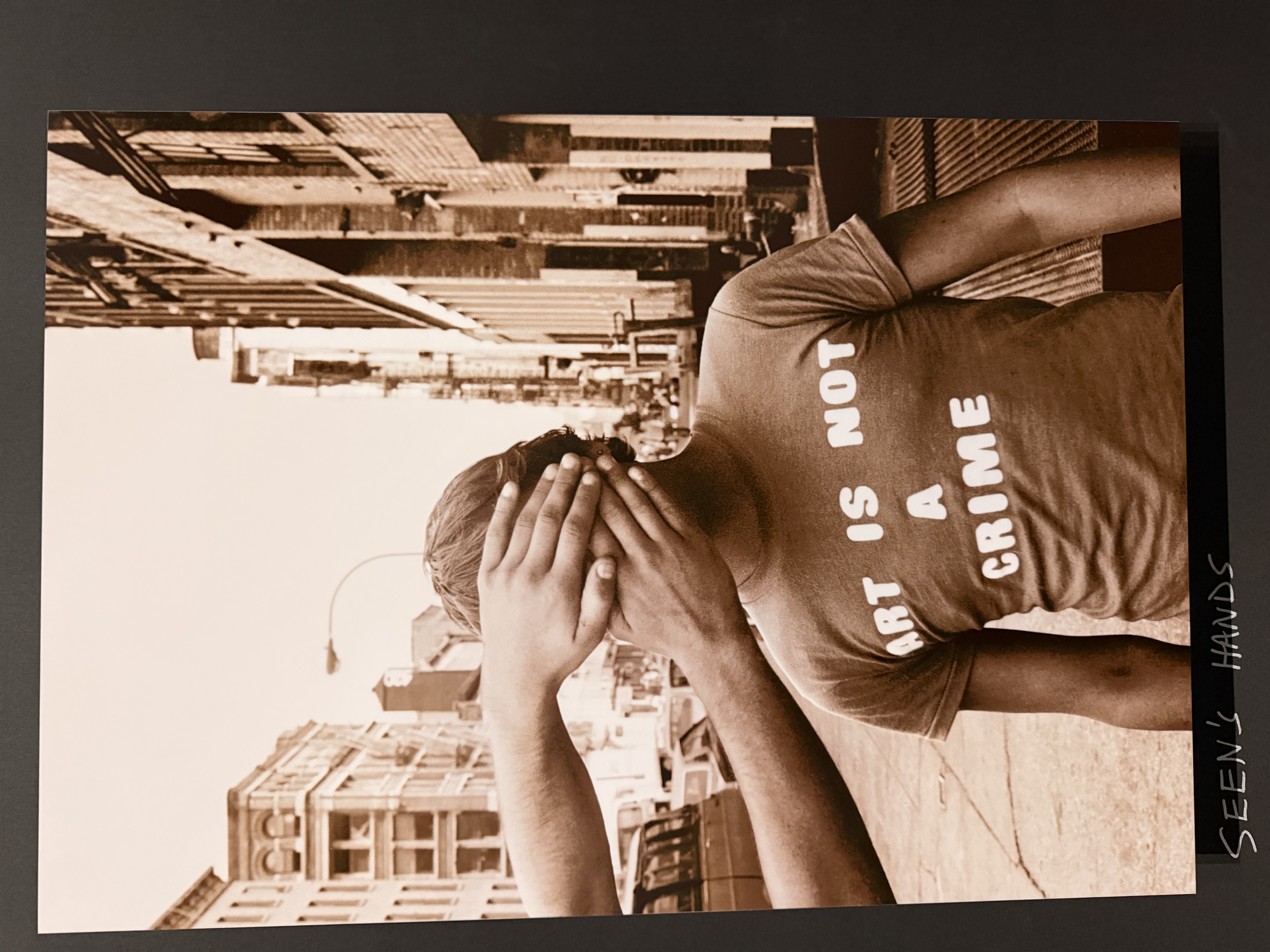
Art is not a crime
4 moments on Art Journal
In the 1970s and 1980s, New York City became the birthplace of a vibrant new urban art movement. Against a backdrop of economic decline, social inequality, and neglected public spaces, young people—particularly in the Bronx—transformed subway trains into moving canvases. Armed with spray paint, graffiti writers covered entire subway cars with bold lettering, colorful compositions, and personal expressions of identity. Alongside hip-hop music, breakdancing, and DJ culture, graffiti became a powerful form of creative expression and a way for marginalized communities to reclaim public space. American photographer and sculptor Henry Chalfant (born 1940) became one of the movement’s most important chroniclers. Fascinated by the painted subway trains he encountered during his daily journeys through New York, Chalfant began photographing them at a time when few recognized their artistic or cultural significance. Because trains stopped at stations for only a few moments, Chalfant developed an ingenious photographic technique. He captured successive sections of passing trains and later cut and assembled the prints by hand, creating panoramic images that preserved entire graffiti-covered subway cars. His work extended far beyond photography. Chalfant built relationships with graffiti writers, welcomed artists into his home, and documented the people, stories, and emerging culture surrounding the movement. Rather than observing from a distance, he became a trusted participant in a creative community that was reshaping urban culture. His photographs helped introduce New York graffiti to international audiences. In 1983, he collaborated with Tony Silver on the influential documentary Style Wars. A year later, he co-authored Subway Art with Martha Cooper, followed by Spraycan Art with James Prigoff in 1987. These publications became essential records of graffiti’s early history and inspired generations of artists worldwide. Chalfant’s influence also reached the Netherlands. In 1984, his photographs were exhibited at Amsterdam’s Yaki Kornblit Gallery in Amsterdam-Zuid, offering young Dutch artists an early glimpse into New York’s graffiti scene and helping spark the development of a local graffiti culture. This exhibition celebrates Henry Chalfant’s extraordinary contribution to preserving and sharing a cultural revolution. His photographs capture not only the fleeting beauty of painted subway trains but also the creativity, resilience, and voices of a generation that transformed neglected urban spaces into an entirely new artistic language. What began as an act of self-expression on the streets of New York became a global movement—and thanks to Chalfant’s dedication, much of its earliest history survives today.
How to reflect if you encounter this artwork?
- Notice how Henry Chalfant's exhibition uses the phrase 'Art is not a crime' to challenge your perceptions of graffiti and street art legitimacy.
- Consider how the setting within Straat museum influences your experience and interpretation of the artworks presented by Chalfant.
- Observe the materials and styles showcased in the exhibition and reflect on how they communicate messages about creativity, freedom, and restriction in urban spaces.
- Think about your own feelings towards street art before and after experiencing this exhibition and what it prompts you to question about public and private expression.
Reflections
Add your momentLoading reflections...