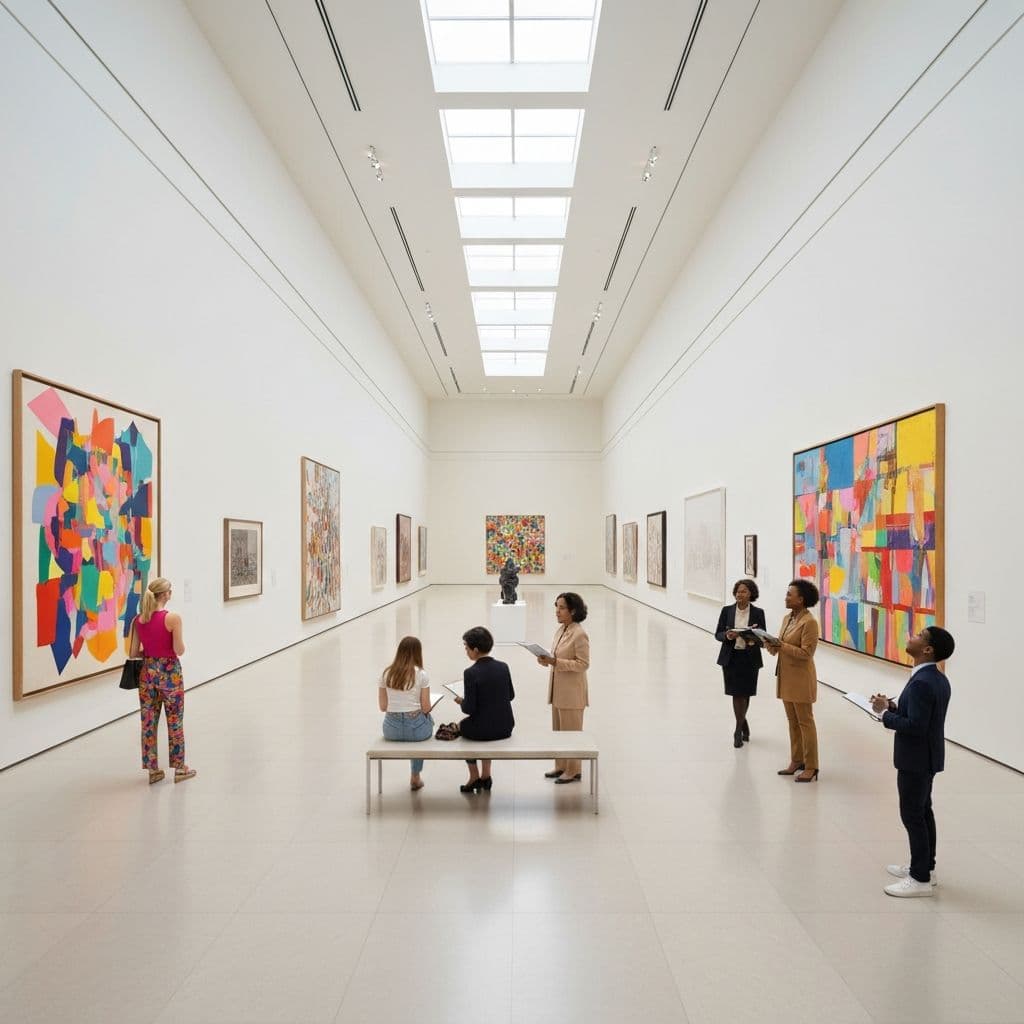
People contemplating art in a gallery

Your cultural life, beautifully remembered.

“It's like Letterboxd, but for art.” — our community

-7 min read

Best Free Alternatives to Reddit Museums

Where to explore, discuss, and reflect on art online
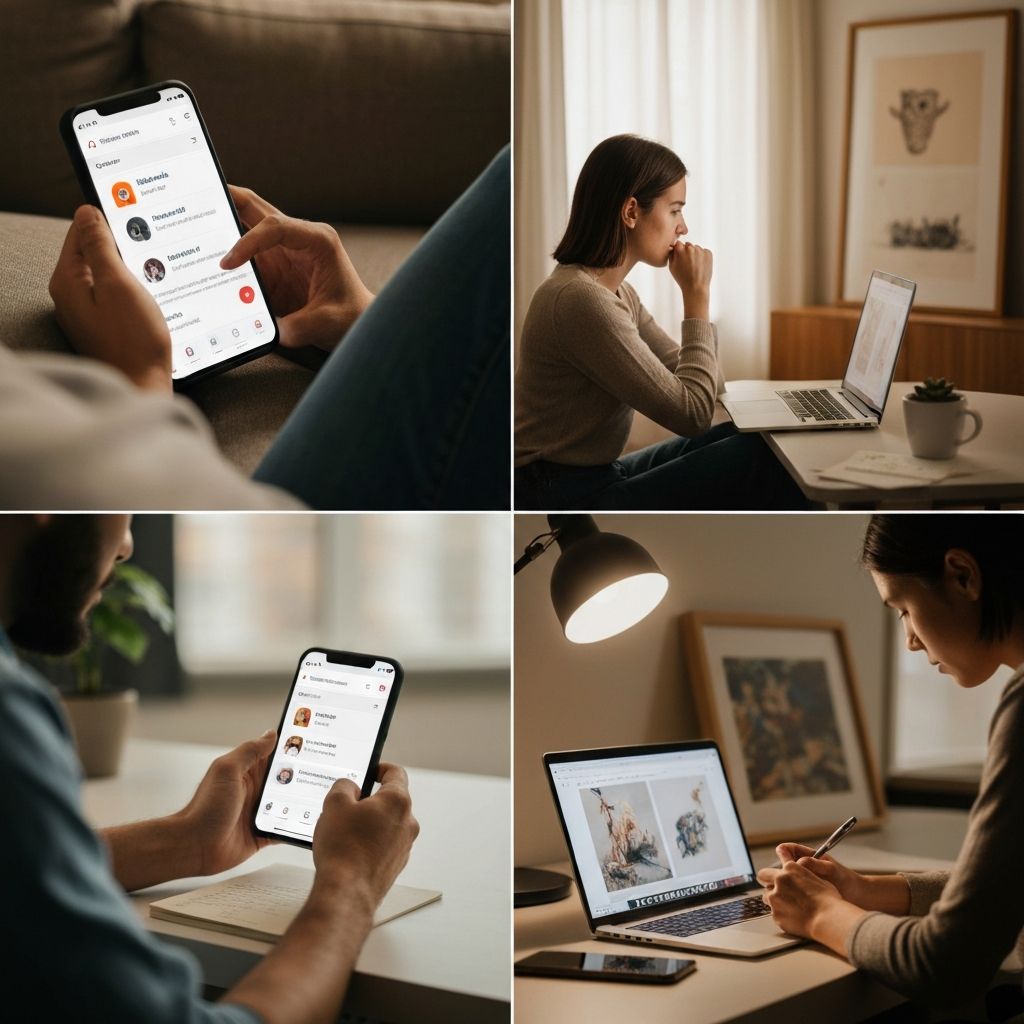
Different ways people engage with art online - from quick scrolling to thoughtful reflection
From quick scrolling to deep reflection — there's a platform for every kind of art lover

If you've ever browsed Reddit r/museum, you know the feeling.

A stream of artworks from museums around the world. Quick exposure. Occasional gems. A lot of scrolling.

It's a beautiful chaos. But also… limited.

Most posts are images. Context is thin. Reflection is rare. And meaningful discussion often gets buried under algorithms or repetition.

So where do you go if you want more? Here are some of the best free alternatives, depending on what you're actually looking for.

For Pure Discovery

ArtStation

ArtStation is like Reddit—but if everyone posting was extremely good at art. It's heavily used by professionals in gaming, film, and concept art. Highly curated, less noise, more wow.

Trade-off: almost no personal reflection or emotional layer.

Behance

Behance sits somewhere between portfolio and storytelling. Projects often include process, sketches, and intent. Strong for learning how art is made.

Trade-off: less about museums, more about creators.

For Community and Critique

DeviantArt

One of the oldest art communities online. Still alive. Still messy. Strong commenting culture, feels more like a forum than a feed.

Trade-off: quality varies wildly.

ConceptArt.org

This is where people go to get better. Not just to post. Critique-heavy environment with discussions about technique, tools, and careers.

Trade-off: less visual browsing, more focused on growth.

Looking for more than critique?

Sometimes you just want to remember what moved you.

For Professionals and Academics

Artmo

Artmo is closer to LinkedIn for art. It connects artists, galleries, and universities. Supports buying, selling, and structured discussion.

AskHistorians (Reddit)

Not art-only, but a fascinating contrast. Answers are detailed, moderated, and sourced. Shows what “serious discussion” online can look like when structure is enforced.

For Smaller, Intentional Communities

Lemmy

Lemmy is what Reddit might look like if it were rebuilt today. Open-source and community-run, with smaller, more intentional groups and less algorithm-driven content.

Trade-off: fewer users, less content.

For Reflection, Memory, and Meaning
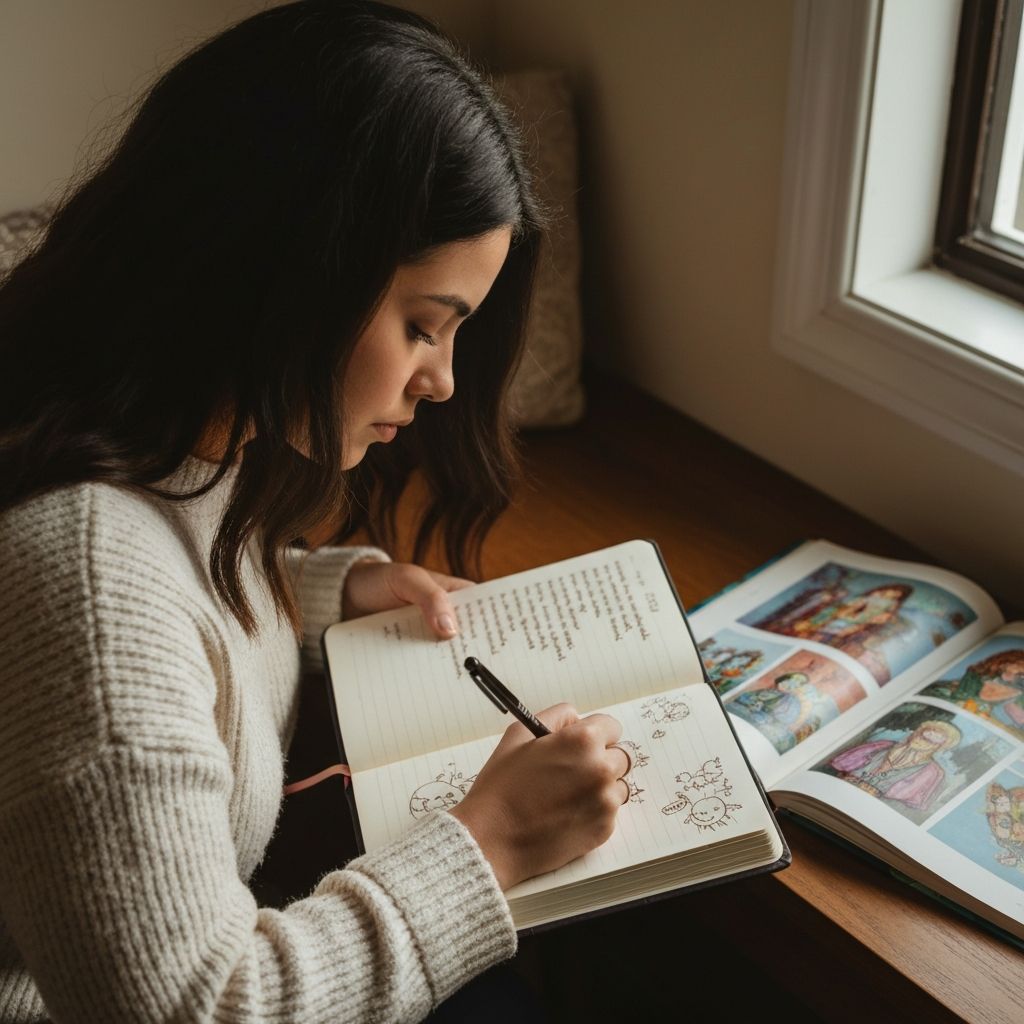
Person journaling about art - turning passive viewing into active reflection
The difference between seeing art and remembering it

artjournal.ing

Most platforms focus on sharing art. This one focuses on what art does to you.

Log artworks you've seen. Write reflections, not just reactions. Build a personal cultural memory.

Reddit is about exposure. artjournal.ing is about meaning—turning passive scrolling into active reflection.

Ready to try a different kind of art platform?

One that remembers what moved you.

Choosing the Right Platform (by Audience)

AudienceBest PlatformsWhy
StudentsBehance, ConceptArt.orgLearning process, critique
Casual art loversReddit, ArtStationEasy discovery
Deep art loversartjournal.ingDiscovery, reflection + memory
ArtistsDeviantArt, ArtStationExposure + feedback
Curators / professionalsArtmoNetworking + industry
Indie thinkersLemmySmaller, intentional communities

Final Thought

Reddit showed us something important: people want to engage with art online.

But most platforms stop at “look at this.”

The next wave is about: “What did this do to you?”

That's where the real conversation begins.

What others are feeling

Real reflections from the Art Journal community
Explore more
The Reaper (after Millet)

The Reaper (after Millet)

This painting looks to so alive. I can almost hear a song whistle in the background and craws sound. Wind as well. And everything moving slightly in the wind. The Reaper is focused on the work that seams easy if you’re young, but very difficult with age and back pain. The position and the way he bands… Why the tool design doesn’t help with that and make the work a bit less painful?

by vanja.krstonijevic

Leeuw family portrait

Leeuw family portrait

My kid really loved this one. Because of the dog. The whole world of 17th-century Dutch bourgeois life in one frame. Music as social grace. The spaniel wandering at the bottom the only one not performing.

by vanja.krstonijevic

Still Life with Cheese

Still Life with Cheese

An abundance that borders on anxiety. Every surface claimed, every object rendered with almost competitive precision. Dutch prosperity made paint.

by vanja.krstonijevic

Discovering the other shore, Thomás Sánchez

Discovering the other shore, Thomás Sánchez

I was looking at Thomás Sánchez’s art this week, especially his trees, which feel surreal in their proportions- trees with stretched-out trunks and undersized canopies. Then, driving around yesterday, I started noticing real trees that looked just like his paintings. When I look at his trees, I think “I want to be there.” But then, when I look around, I realize I am already be there, even just for a fleeting second. I like how his paintings have made me love real life a little bit more.

by Hallie Odellie

Pussy Riot and FEMEN performance in front of Russian Pavilion

Pussy Riot and FEMEN performance in front of Russian Pavilion

There was something theatrically excessive about the scene: (now already very well known) neon pink balaclavas against the muted elegance of the Giardini, smoke clouds turning the air into a temporary stage set, guitars and chants colliding with the polished rituals of the art world. We know it’s chaotic on purpose. Not designed for contemplation, but interruption. What stayed with me most was the uncomfortable tension between spectacle and sincerity. The action clearly understood the visual language of contemporary art institutions: color, repetition, symbols, performance, virality. At times it almost resembled fashion imagery or a music video. Yet underneath that hyper-visibility was a very direct confrontation with war, nationalism, and cultural diplomacy. The Russian Pavilion itself became more than architecture. It turned into a symbolic object: a reminder that biennales are never politically neutral, even when they pretend to be spaces “above” conflict. The protest questioned whether art institutions can separate culture from state power, especially during ongoing violence. Not quietly, either. Loudly. Publicly. In a way impossible to crop out of Instagram. At the same time, the performance also exposed the strange ecosystem of the Biennale itself. Protest became content almost instantly. Phones were everywhere. Collectors, journalists, tourists, curators: everyone watching, documenting, circulating. The action criticized visibility politics while simultaneously mastering them. That contradiction made it feel contemporary in the truest sense. I also kept thinking about how performance art changes when urgency replaces ambiguity. Much contemporary art invites interpretation; this did not. Its message was immediate and emotionally compressed. Less poetry, more alarm siren. Yet the aesthetic choices, the choreography, the smoke, the repetition of bodies in masks, still created moments that felt visually powerful beyond the slogan itself. It raised a difficult but important question: when institutions absorb protest into their own spectacle, does the protest lose force, or does it infiltrate the institution from within? Maybe both can happen at once.

by Rebel96

Predicting History: Testing Translation

Predicting History: Testing Translation

I read the The Guardian review before sitting with the work, and I almost wish I hadn’t. Because once that voice gets in your head, it starts looking for what’s missing instead of what’s there. Yes, the paintings are calm. Yes, nothing explodes or demands attention. But standing with them, I didn’t feel absence. I felt a kind of social tension that’s so familiar it barely registers at first. Like being in a room where everything is technically fine, but something is slightly off in the way people look at each other, or don’t. The review calls parts of it superficial, like the questions don’t land. But not everything meaningful lands cleanly. Some things just stay with you, slightly unresolved, like a sentence you overheard but didn’t fully catch. And those questions, “Can poison taste delicious?”, they don’t feel clever. They feel lived. Like contradictions you don’t solve, you just learn to carry. What surprised me most is how unbothered the work feels. It doesn’t try to prove its depth. It doesn’t dress up its politics. It just exists in its own rhythm. And maybe that’s what irritates people. We are used to art that either entertains us or explains itself clearly. This does neither. It just holds a position, quietly and stubbornly. It’s not loud enough to impress you. But it’s also not empty enough to dismiss. You have to meet it halfway. And not everyone feels like doing that.

by Rob

Jenny Saville at Ca’ Pesaro Venice Biennale

Jenny Saville at Ca’ Pesaro Venice Biennale

This face feels like it has been argued with. Not painted once, but negotiated over and over until the surface gave up its certainty. The skin isn’t skin anymore it’s a battlefield of decisions, reversals, impulses that refused to be polite. Up close, the eyes hold you in a strangely intimate way, almost asking: which version of me are you willing to believe? The softness of the gaze clashes with the violence of the brushstrokes. Beauty is there, but it’s interrupted, smeared, reassembled. Not destroyed just… refused in its conventional form. There’s something deeply contemporary here: identity as layering, not essence. The self as something you paint over daily with moods, expectations, survival tactics. And still, underneath the chaos, something human insists on being seen. It’s uncomfortable in the way mirrors are uncomfortable when you stare too long. Not because it’s ugly, but because it’s honest about how unstable “looking like yourself” actually is.

by Nina

VAN GOGH Untitled MomentThe Courtyard of the Hospital at Arles (1889)

VAN GOGH Untitled MomentThe Courtyard of the Hospital at Arles (1889)

Looking at this painting, I felt a quiet tension between healing and solitude. This is not just a garden — it is a place Vincent knew from within. A space where the body rests, but the mind keeps wandering. The paths seem carefully arranged, almost structured, yet the brushstrokes are restless, alive, searching. There is something deeply moving in the contrast: the calm geometry of the courtyard and the emotional intensity of the paint. The greens and yellows suggest life, but not peace — rather a fragile balance. For me, this work carries a sense of introspection. It feels like walking slowly, observing everything, while something unresolved remains inside. It made me think about how Van Gogh could transform a place of vulnerability into something almost luminous — not by hiding the struggle, but by painting through it. Standing before it, I felt both stillness and unease at the same time.

by Luis Marcos