Why Modern Art Feels Confusing (And What You're Missing)
Spoiler: You're not missing anything. You just need permission.

You walk into a gallery.
There's a blank canvas. Or a pile of bricks. Or a banana taped to a wall.
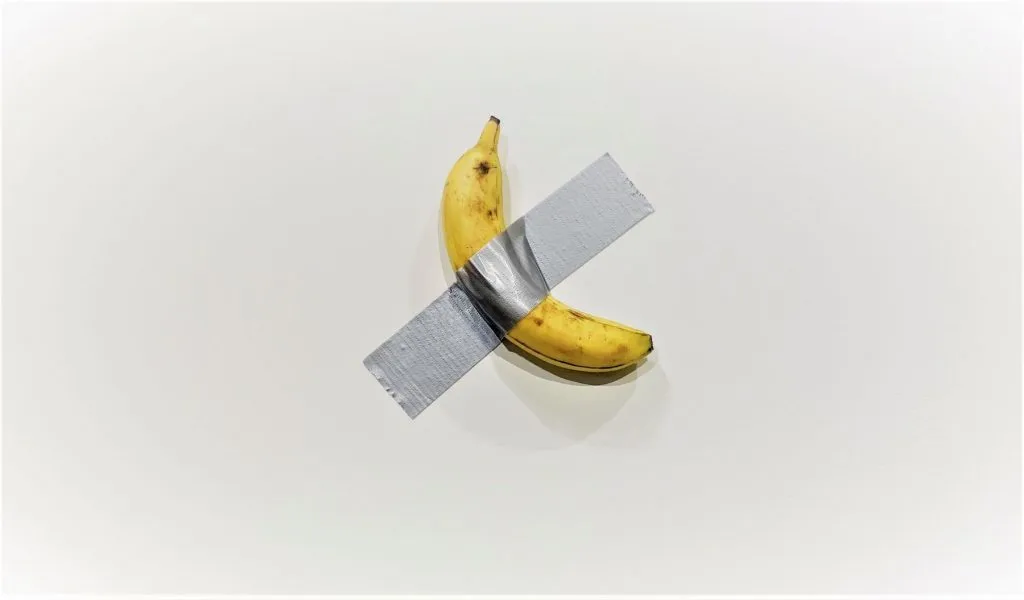
And somewhere in the room, someone is nodding like they've just understood the universe.
Meanwhile, you're thinking: I don't get it. Am I the problem?
Short answer: no. Long answer: also no, but let's unpack it.
The real reason modern art feels confusing
Most of us were never taught how to look at art.
Research shows the average person spends about 27 seconds in front of an artwork. That's barely enough time for your brain to register shapes, let alone meaning.
And when we do look, we default to one question: “What does this mean?”
That's actually the wrong starting point.
Modern art often isn't trying to tell you something clearly. It's trying to trigger something in you.
You're trying to decode, but art is trying to happen
Philosophers like Maurice Merleau-Ponty argued that art isn't just something you analyze. It's something your body experiences.
That's why standing in front of a Rothko feels completely different than seeing it on your phone.
Rothko Chapel paintings aren't “understood” in the traditional sense. They're absorbed. People cry in that room not because they solved a puzzle, but because something in them shifted.
The “I don't get it” trap
Here's what usually happens: You see something unfamiliar. You look for meaning. You don't find it immediately. You assume there is a correct answer. You conclude you're missing something.
In reality, what's missing is not knowledge. It's permission.
Permission to feel first. Permission to not understand immediately. Permission to stay longer than 30 seconds.
What actually helps (backed by research)
From both museum studies and everyday experiences, a few patterns show up again and again:
Look before you read. Labels anchor your thinking too early. Your own reaction is more interesting than the official explanation.
Stay longer than feels normal. Meaning often appears after discomfort. People who report the most meaningful experiences with art usually say: “I didn't even realize how long I stood there.”
Let it be about you (a little). This isn't cheating. Developmental research (like Abigail Housen's work) shows that personal association is actually a valid stage of understanding art, not a lesser one. If something reminds you of your childhood kitchen or a breakup or a random Tuesday, follow that thread. That's where the work starts.
Maybe you're not missing anything
Modern art feels confusing because it doesn't behave like most things in life. It doesn't optimize for clarity. It doesn't reward quick answers. It doesn't care if you “get it.”
But if you stay with it, even slightly longer than usual, something else can happen: not understanding, not agreement, but connection.
And that's the whole point.
Try this next time
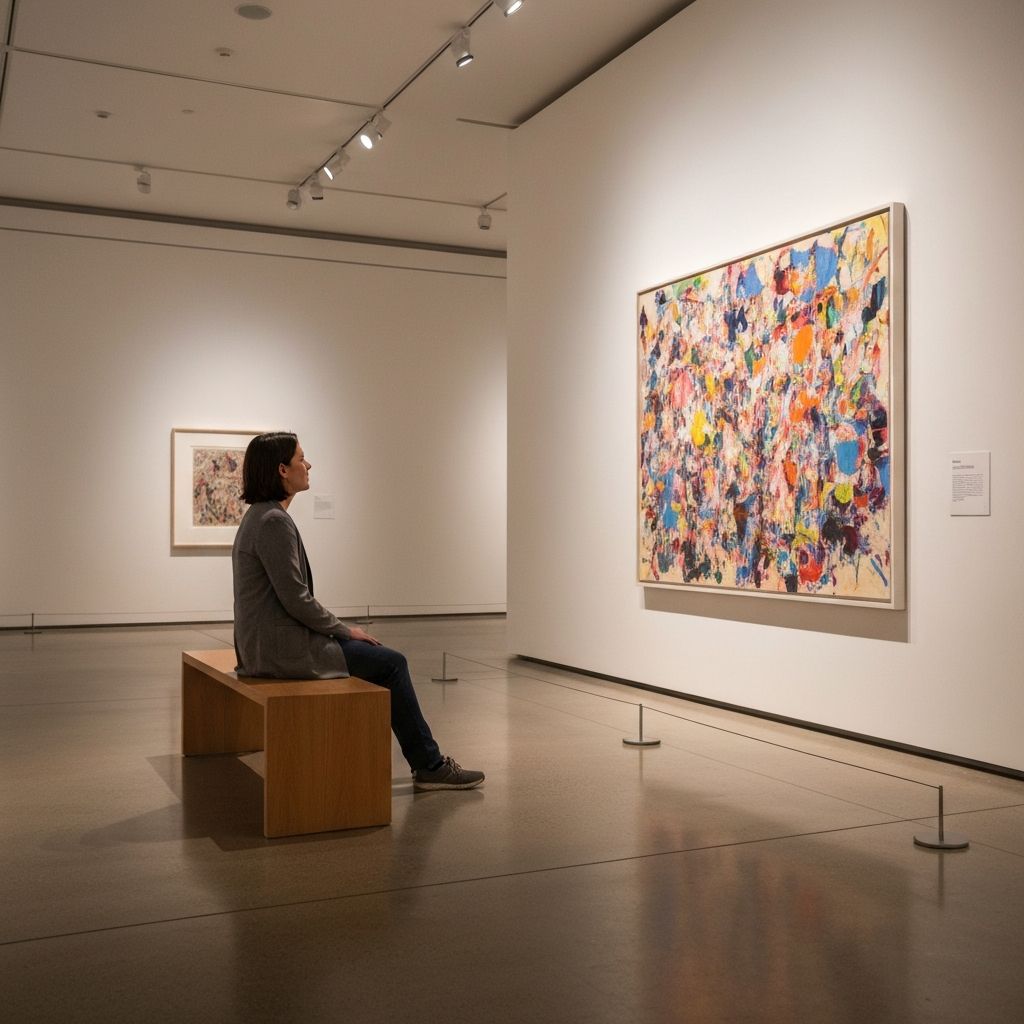
Stand in front of one artwork. Give it 3 minutes. Not 27 seconds.
Ask yourself: What do I feel? What does this remind me of? What is pulling my attention?
You might still not “get it.” But you'll start to experience it.
And that's where everything changes.