What Comes After Great Art Explained
A gentle case for your own reflection moments
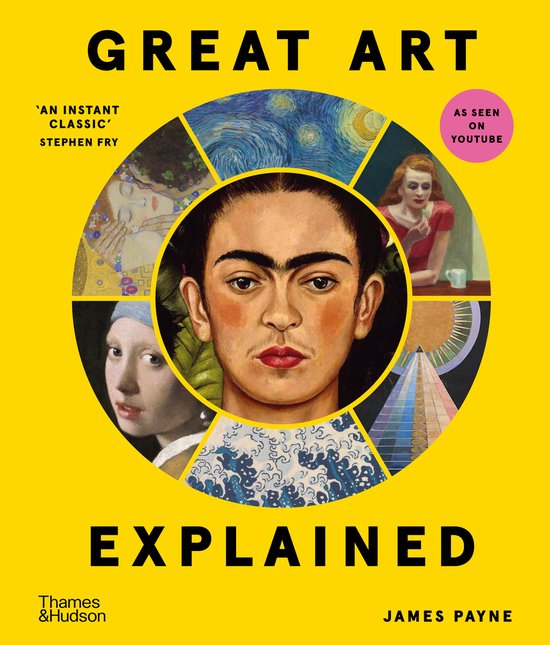
If you've been reading Great Art Explained, you might have noticed something quietly beautiful happening.
Art starts to feel… closer.
Not like something reserved for museums or experts, but something you can actually understand. The stories behind the works unfold in a way that makes you pause a little longer. You begin to recognize details you might have skipped before.
You feel more invited in.
And then a small question appears, almost unnoticed:
What now?
Understanding is a beginning, not the destination
The book does something incredibly valuable. It gives context, stories, and meaning. It helps you see why an artwork matters, where it comes from, and what shaped it.
But there is one thing it cannot do for you.
It cannot tell you how you feel about it.
That part is still open. And that's not a gap.
It's the whole point.
What artwork has been on your mind lately?
That feeling after learning about it — capture it before it fades.
Why personal reflection naturally follows
When you learn about a painting, you're meeting it halfway.
Reflection is the other half of that meeting.
It doesn't need to be complicated or poetic. It can be as simple as noticing:
- •something that stayed with you
- •something that confused you
- •something that reminded you of your own life
Even a quiet “I don't get this, but I keep looking at it” is already a reflection.
And strangely, those are often the most honest ones.
Turning art into something personal
It's easy to move from one artwork to the next, especially when everything is explained so clearly. But when you pause, even for a minute, something shifts.
The artwork stops being just “important” and starts becoming yours in a small way.
Not ownership in the physical sense. More like:
a memory attached to it
a feeling you can return to
a thought that didn't exist before you saw it
That's the moment art becomes part of your life,
not just something you've learned about.
Has an artwork recently become “yours” in this way?
That connection is worth keeping.
A softer way to reflect
You don't need a system. But if you want a gentle starting point, you can try this after reading about a piece:
- 1.What was the first thing I noticed?
- 2.Did anything surprise me?
- 3.Would I want to see this again in person?
- 4.What mood does it leave me with?
That's enough. Truly.
No need for perfect words. Just presence.
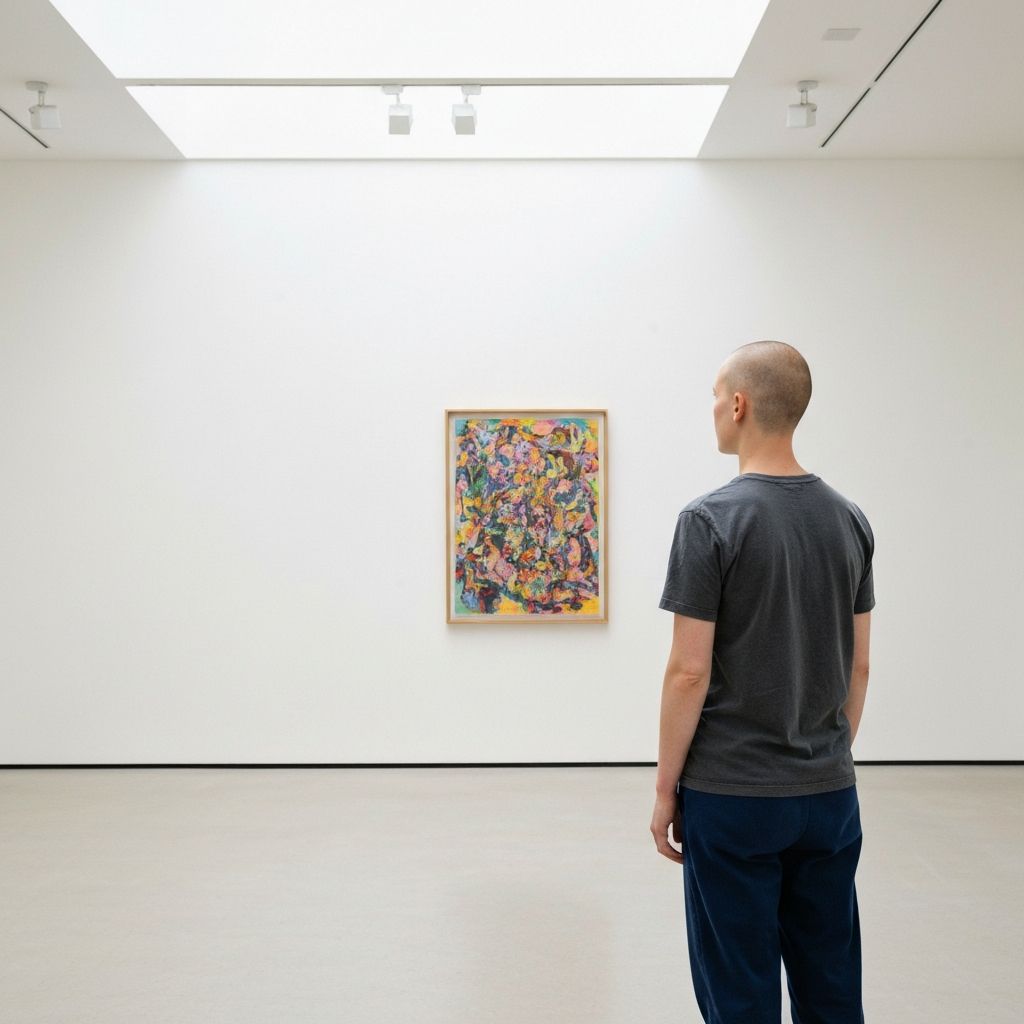
Why these small moments matter
We often think meaningful experiences with art are big and rare. But most of them are actually quiet and easy to miss.
A short pause.
A second look.
A thought you didn't expect.
If you capture even a few of those, over time you build something quite special.
A collection of moments where art met your life.
A small invitation
Next time you finish a chapter of Great Art Explained, resist the urge to immediately move on.
Stay with one artwork just a little longer.
Write a few lines. Save a thought. Keep a moment.
It doesn't have to be public. It doesn't have to be perfect.
But if you do feel like keeping track of those encounters, this is exactly what art journaling is about. Not analysis, not expertise. Just remembering how art moved you, even slightly.
Because in the end, understanding art is wonderful.
But noticing your own reaction to it —
that's where it quietly becomes meaningful.
Ready to start your own collection of moments?
Art Journal is a quiet space to keep track of how art moves you. No expertise required.
What others are feeling
Real reflections from the Art Journal community
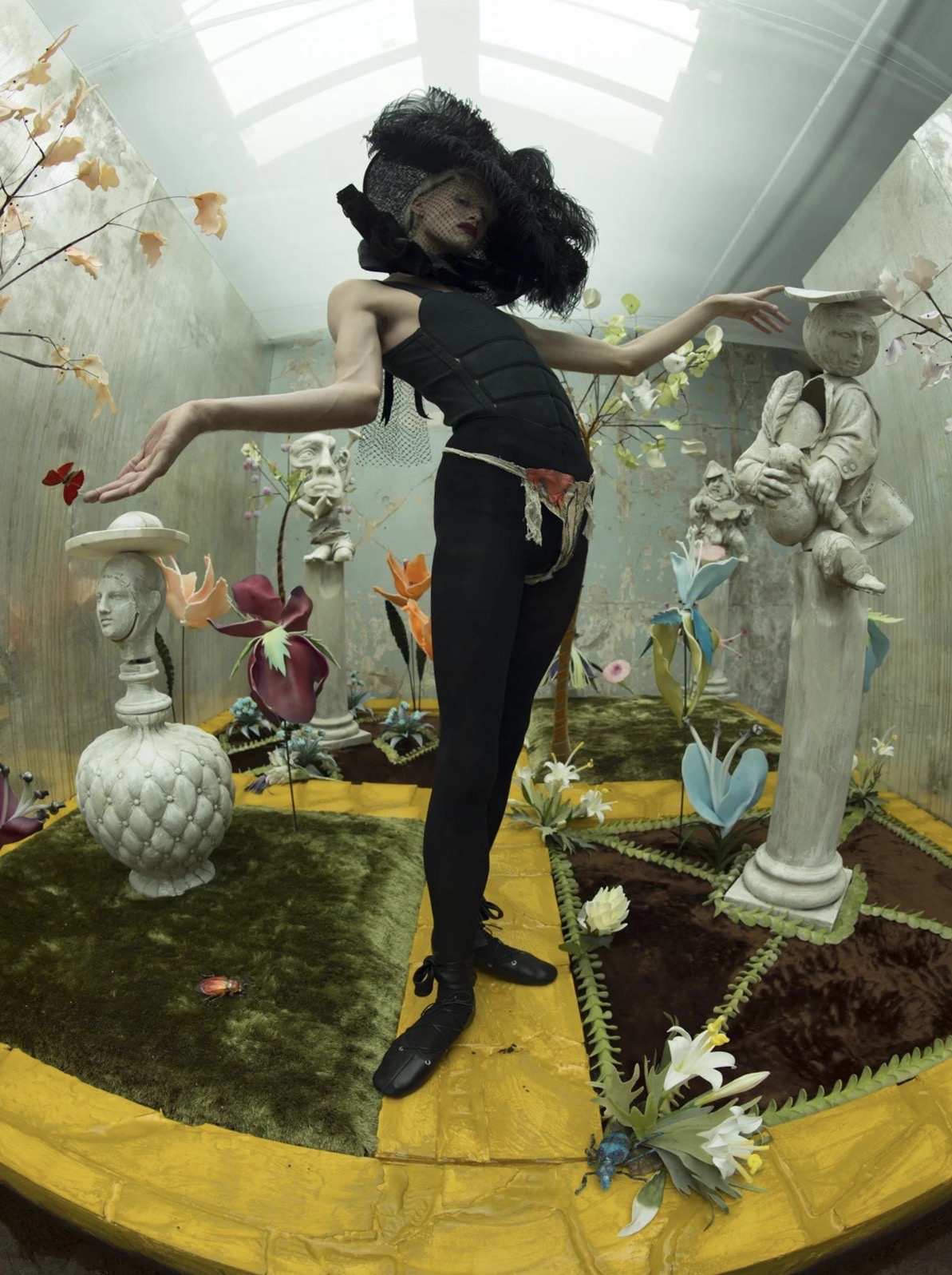
Box of Delights
“This feels like stumbling into a fairy tale written by someone with a wonderfully strange imagination. I love how unapologetically artificial everything is. Alice in Wonderland meets haute couture, with a touch of beautiful madness.”
by Nina
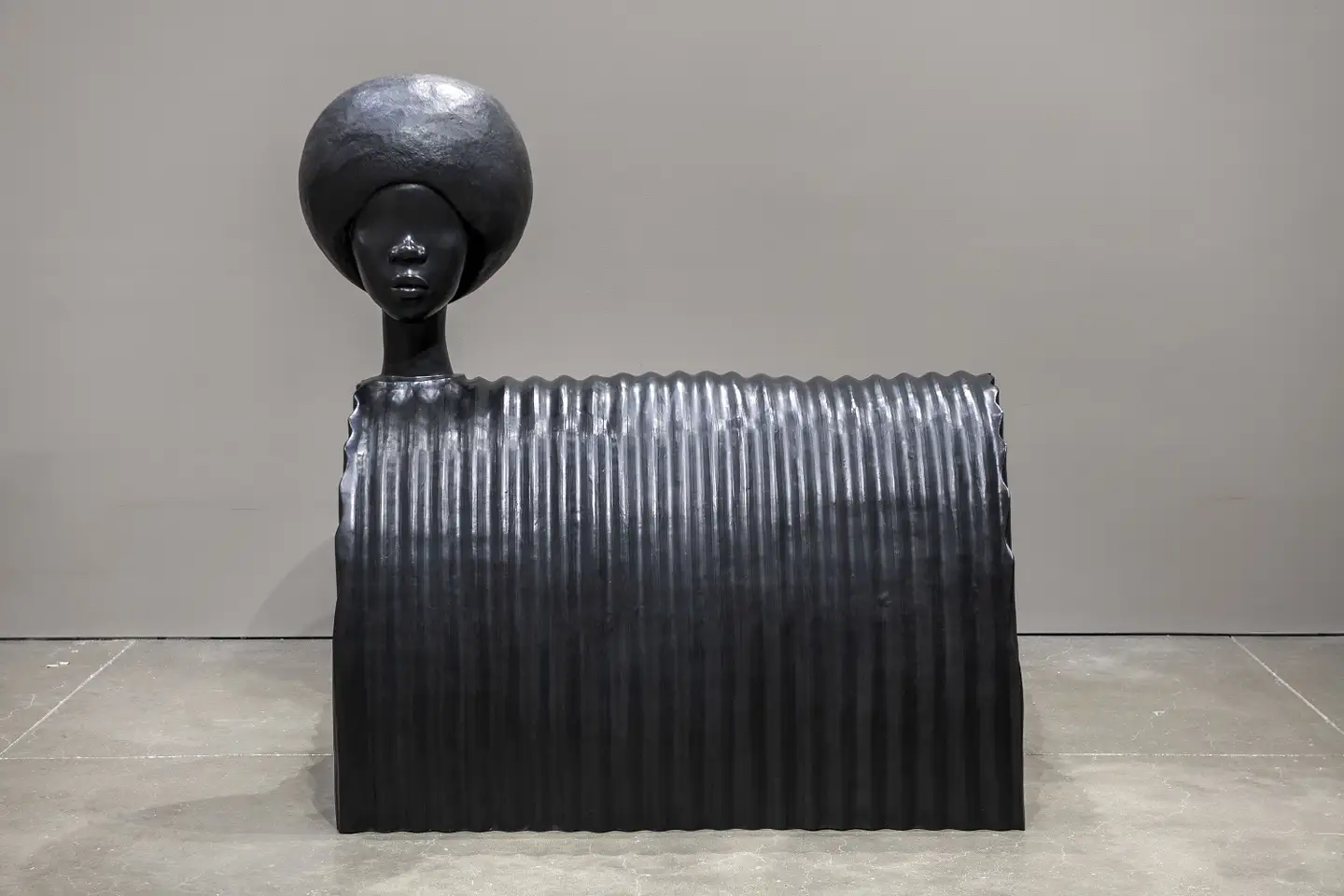
Sentinel
“I love that Leigh gives a woman this monumental presence without asking her to reveal anything about herself”
by Nina

The Orange Plague (King of Injustice)
“XDDDDDDDDDD”
by misfortune
The Orange Plague (King of Injustice)
“Just brilliant! ”
by Rebel96
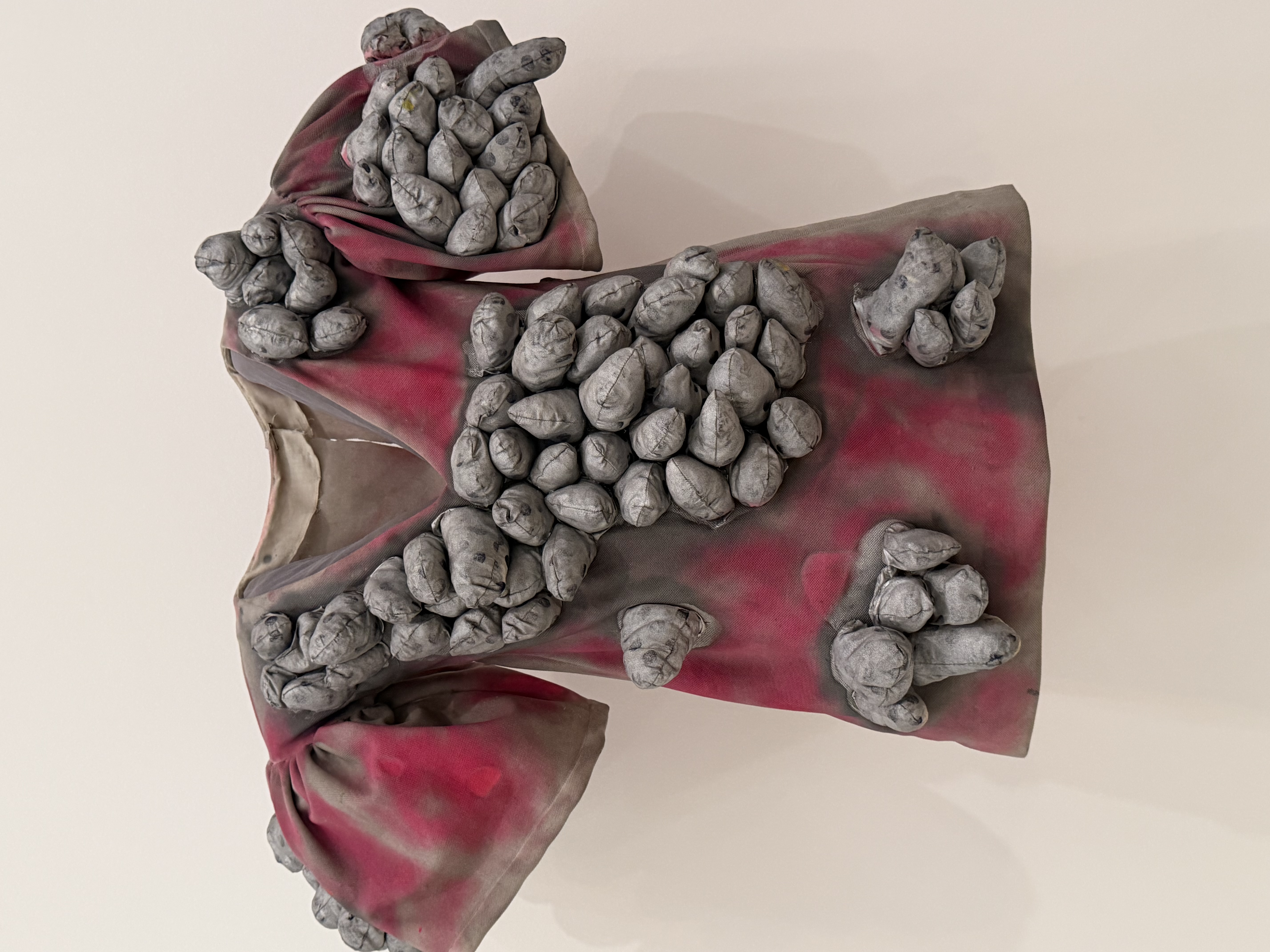
Pink dress
“I forgot this one. Discussed it with a friend today and wanted to share. ”
by softfocusnoir
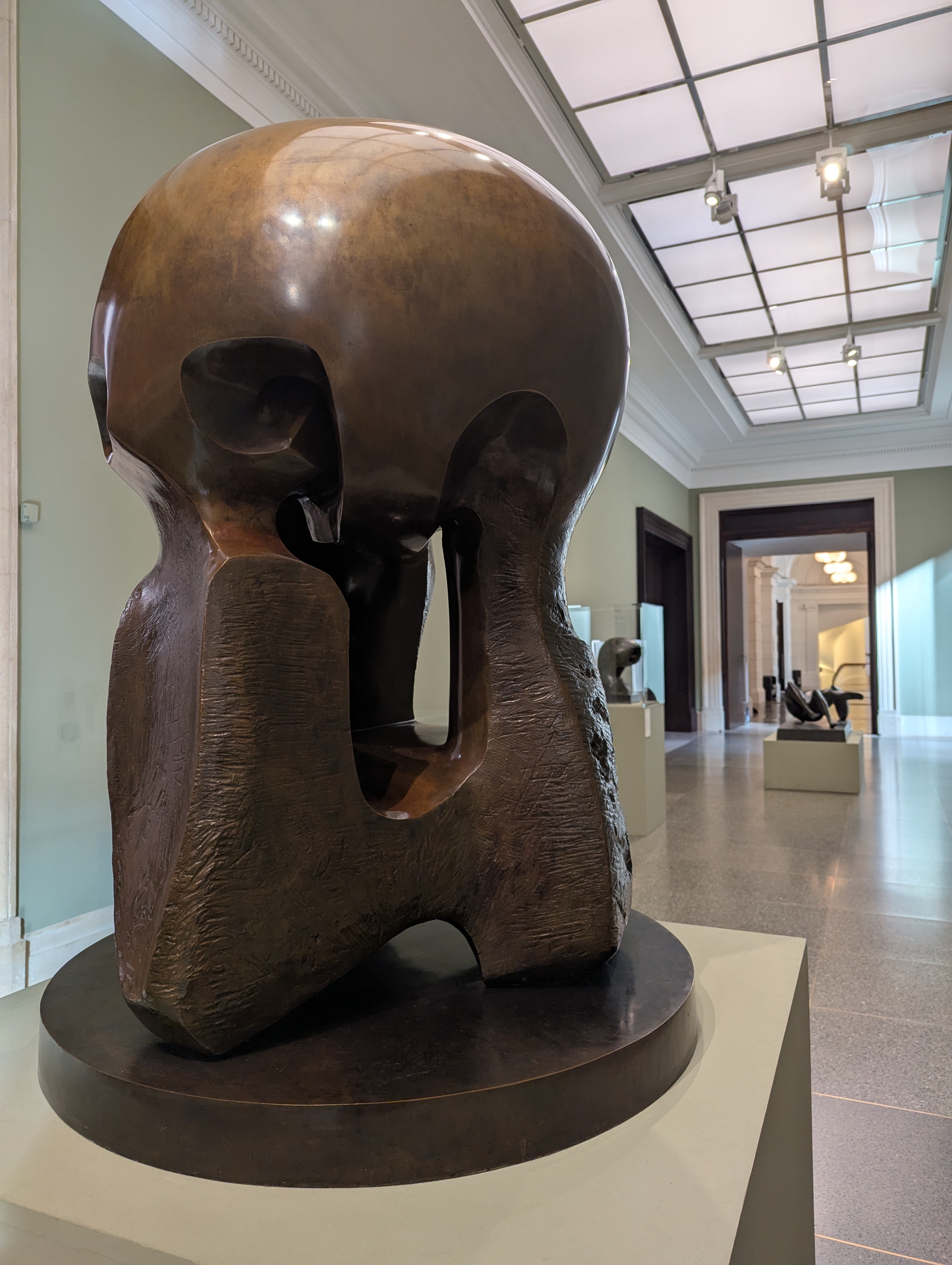
Henry Moore
“Emotional. I was overwhelmed by the beauty of these works. ”
by The_InvisibleWoman
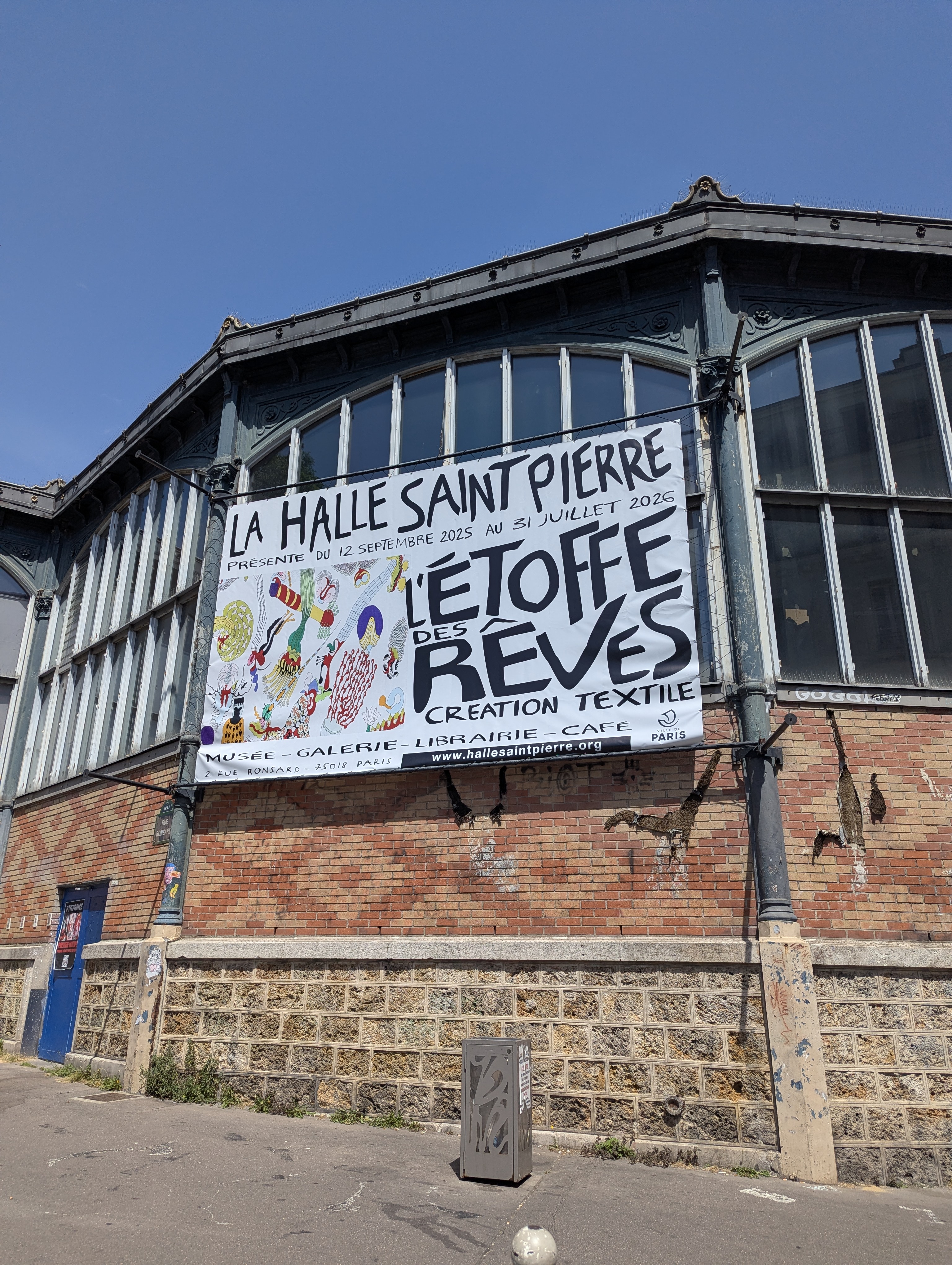
L'etoffe Des Rêves
“Surreal and weird, outsider art which made you rethink the term art itself. ”
by The_InvisibleWoman
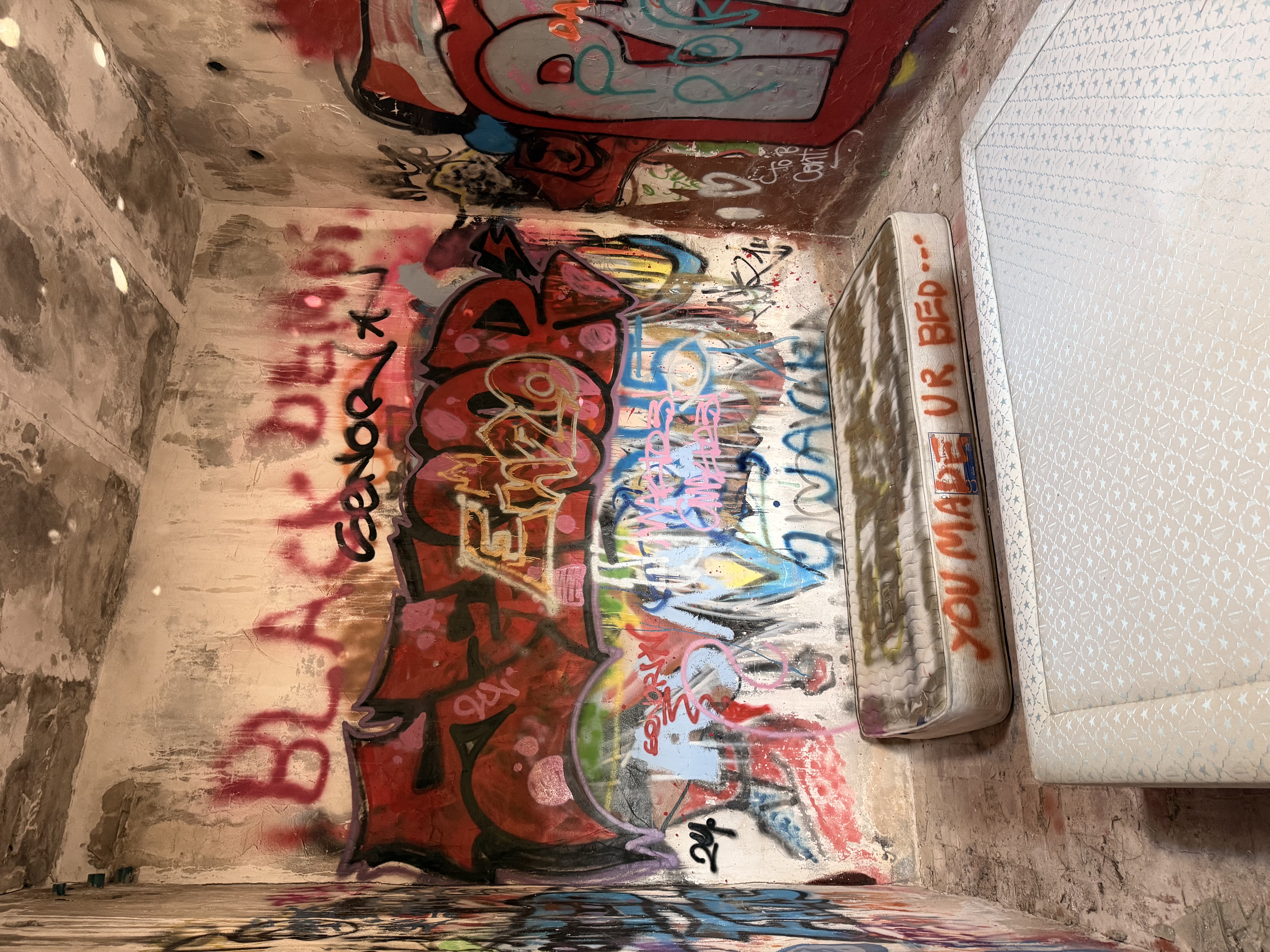
You made ur bed
“I found this place by accident, and immediately wanted to share, it’s so cool!”
by lola
Continue Reading
27 Seconds and a Rothko: What Actually Happens When We Stand in Front of Art
The science and soul of art viewing — from neuroscience to slow looking.
Why Modern Art Feels Confusing (And What You're Missing)
You're not missing anything. You just need permission.
How to Start an Art Journal (Beginner Guide)
A complete beginner's guide with simple first steps.